Efficient workflow is essential for maintaining productivity, reducing downtime, and supporting consistent output in any production environment. Whether the setting involves manufacturing, assembly, packaging, or quality control, streamlined processes help teams work more effectively and minimize unnecessary delays. Improving workflow is not about rushing tasks. It is about creating a structured, organized system that supports accuracy, safety, and long term performance. With the right strategies in place, production areas can operate smoothly and adapt more easily to changing demands.
Optimize Layout for Better Movement and Accessibility
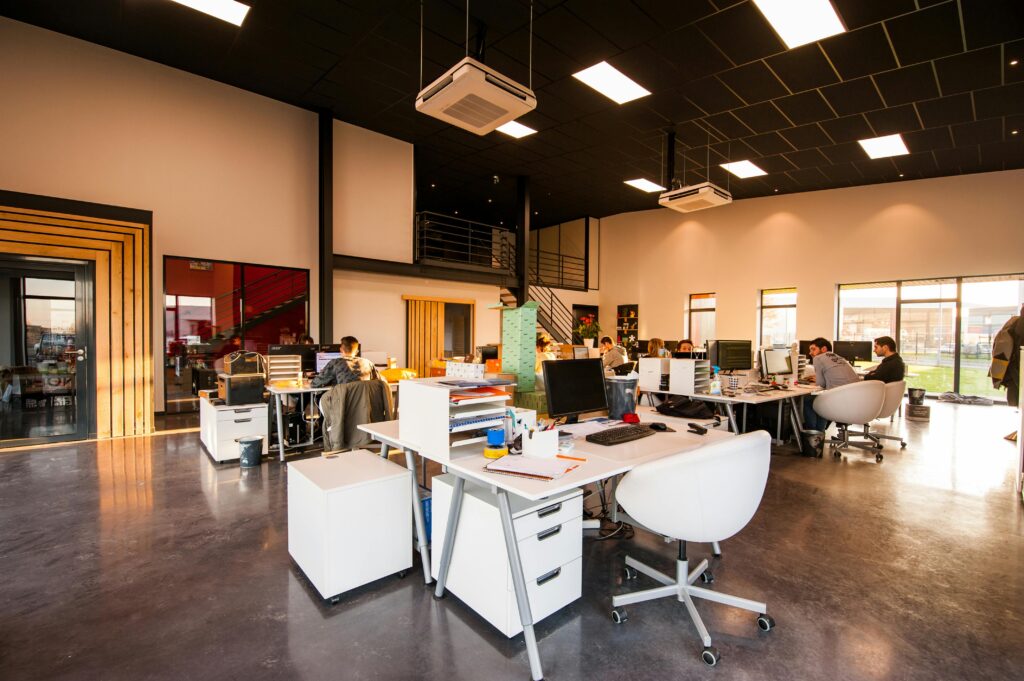
A well organized layout is one of the most important factors in improving workflow. When tools, materials, and equipment are placed logically and within easy reach, employees can move efficiently from one task to the next. Reducing unnecessary steps or travel time helps eliminate bottlenecks and supports a more natural flow of work.
Clear pathways, designated work zones, and properly labeled storage areas all contribute to a more functional environment. Regularly reviewing and adjusting the layout ensures that it continues to support current production needs. As processes evolve, the workspace should evolve with them to maintain efficiency.
Standardize Processes and Documentation
Standardized processes help ensure consistency, reduce errors, and make training more effective. When every team member follows the same steps, production becomes more predictable and easier to manage. Clear documentation, such as step by step instructions, visual guides, or checklists, supports accuracy and helps new employees get up to speed quickly.
Standardization also makes it easier to identify inefficiencies. When processes are clearly defined, managers can pinpoint where delays occur and make targeted improvements. This structured approach strengthens overall workflow and supports long term productivity.
Integrate Technology to Support Daily Operations
Technology plays a significant role in modern production environments. Tools that support data tracking, communication, and mobility can greatly enhance workflow. For example, using a heavy-duty computer cart allows teams to access digital information directly on the production floor without interrupting their tasks. Mobile workstations reduce the need to walk back and forth to fixed terminals, saving time and improving accuracy.
Other technologies, such as barcode scanners, automated reporting tools, and digital inventory systems, help streamline operations and reduce manual errors. Integrating the right tools ensures that information flows smoothly and that employees have what they need to work efficiently.
Maintain Equipment Regularly to Prevent Downtime
Equipment reliability is essential for maintaining a steady workflow. Unexpected breakdowns can halt production, create delays, and increase costs. Implementing a regular maintenance schedule helps prevent these issues and ensures that machines operate at peak performance.
Routine inspections, timely repairs, and proper cleaning all contribute to equipment longevity. Keeping detailed maintenance records also helps identify patterns or recurring issues that may require further attention. When equipment is well maintained, production areas can operate with fewer interruptions and greater consistency.
Improve Communication Across Teams
Clear communication is vital for smooth workflow in any production environment. When teams understand expectations, timelines, and responsibilities, they can coordinate more effectively and avoid misunderstandings. Regular check ins, shift handoff notes, and clear signage all support better communication.
Using digital tools can further enhance information sharing. Real time updates, shared dashboards, or communication platforms help ensure that everyone stays informed about changes, priorities, or potential issues. Strong communication reduces confusion and supports a more cohesive workflow.
Provide Ongoing Training and Skill Development
Well trained employees are more confident, efficient, and capable of adapting to new processes. Ongoing training ensures that team members stay current with best practices, safety protocols, and equipment operation. This not only improves workflow but also reduces the risk of errors or accidents.
Cross training employees can also strengthen workflow by increasing flexibility. When team members are able to perform multiple tasks, production areas can adapt more easily to staffing changes or unexpected demands. A knowledgeable workforce is one of the most valuable assets in maintaining smooth operations.
Monitor Performance and Adjust as Needed
Continuous improvement is essential for sustaining efficient workflow. Monitoring performance through metrics, observations, or employee feedback helps identify areas where adjustments may be needed. Small refinements, such as reorganizing a workstation or updating a process, can have a significant impact on overall efficiency.
Regular evaluations also help ensure that workflow improvements remain effective over time. As production needs change, processes should be reviewed and updated to maintain alignment with current goals. This proactive approach supports long term success and keeps operations running smoothly.
Conclusion
Improving workflow in production areas requires a combination of thoughtful planning, consistent training, reliable equipment, and clear communication. By optimizing layout, standardizing processes, integrating technology, maintaining equipment, and monitoring performance, organizations can create a more efficient and productive environment that supports long term operational success.