Modern development moves fast. Sometimes thrillingly fast. A feature is planned in the morning, coded by lunch, tested by afternoon, and pushed to the cloud before the day is over. That speed feels empowering—until security gets left a few steps behind. Then the excitement turns into that familiar knot in your stomach. One missed dependency. One exposed secret. One tiny oversight that grows teeth in production.
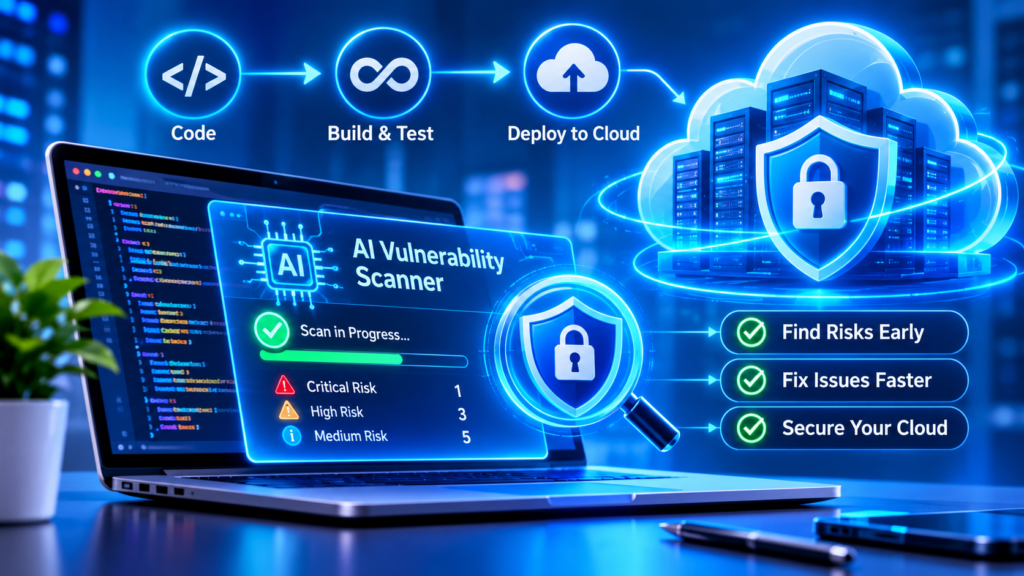
That is exactly why teams are paying closer attention to the AI vulnerability scanner. It is not just another security tool sitting in a dashboard collecting dust. It is becoming a practical guide for protecting code from the first commit to the final cloud deployment. When used well, it helps you catch risk earlier, respond faster, and reduce the chaos that often surrounds modern application security.
There is also a human side to all this. Many of us know what it feels like to work hard on a release, only to discover a serious flaw at the worst possible moment. Security should not feel like punishment at the finish line. It should feel like support from the very beginning.
Why An AI Vulnerability Scanner Matters Early
Traditional security reviews often arrive too late. By the time a manual check happens, your code may already be tangled across repositories, containers, APIs, and cloud services. Fixes become slower. Costs rise. Frustration spreads.
An AI vulnerability scanner changes that rhythm by analyzing patterns, surfacing likely weaknesses, and helping teams prioritize what actually matters. Instead of drowning you in endless alerts, it can identify the issues most likely to become real threats. That shift matters because security teams do not need more noise. They need sharper focus.
Think of it as guardrails rather than roadblocks. Developers can keep building, but with more visibility into insecure libraries, coding mistakes, secrets exposure, misconfigurations, and risky deployment behaviors. The earlier these findings appear, the easier they are to fix.
A simple truth often gets overlooked: speed without visibility is fragile. Fast delivery only works when your security process can keep up.
How An AI Code Vulnerability Scanner Supports Developers
Developers are under pressure from every direction. Deadlines. Performance expectations. Constant updates. Endless tickets. In that environment, security advice must be immediate and actionable. That is where an AI code vulnerability scanner becomes especially useful.
It can review code during development, flag dangerous functions, detect insecure patterns, and suggest fixes before vulnerabilities make it into shared branches. This creates a more natural workflow. Instead of discovering a problem after deployment, you can address it while the logic is still fresh in your mind.
That kind of timing is powerful. It saves rework. It reduces blame. It helps teams learn as they build.
There is a quiet comfort in that. Almost like stepping into a church on a noisy afternoon and feeling the air change. Everything slows for a second. You breathe deeper. You hear yourself think again. Good security tooling can create a similar moment for development teams—it brings clarity into a process that often feels far too loud.
From Code To Cloud: Where Risks Multiply
The journey from code to cloud is rarely simple now. Applications stretch across microservices, third-party integrations, CI/CD pipelines, containers, and multiple environments. Risk does not stay in one place. It travels.
That is where many teams run into sprawl. One engineering lead once described opening a cloud inventory and feeling stunned by the sheer sprawl of assets, permissions, forgotten test instances, and unmanaged services. It was like cleaning one room and discovering the house had somehow doubled in size overnight. That story feels familiar because cloud growth is often gradual—until suddenly, it is not.
An effective scanner helps bring order to that complexity. It can connect findings across the software lifecycle, linking vulnerable code to the build, the image, and the deployed workload. This end-to-end visibility matters because isolated alerts rarely tell the whole story. Context does.
For example, a vulnerable package in development may be low priority if it is never shipped. But that same package inside an internet-facing workload becomes a much bigger concern. Smart scanning helps teams understand that difference and act accordingly.
What To Look For In An AI Code Vulnerability Scanner
Not every tool delivers the same value. If you want faster and safer code-to-cloud protection, a few capabilities stand out.
First, look for broad coverage. You want visibility into source code, open-source dependencies, IaC templates, containers, secrets, and cloud configurations. Gaps are dangerous.
Second, prioritize accuracy. A useful AI vulnerability scanner should reduce false positives, not flood your backlog with them. When teams stop trusting alerts, even real threats can be ignored.
Third, look for developer-friendly remediation. The best tools do more than point at a problem. They explain why it matters and how to fix it in plain language.
Fourth, choose workflow integration. Security works better when it fits naturally into pull requests, CI/CD pipelines, ticketing systems, and cloud platforms.
And finally, seek risk prioritization. If everything is urgent, nothing is. Strong tools rank issues by exploitability, exposure, and business impact so your team can focus energy where it counts most.
The Emotional Relief Of Faster Protection
There is a sound many teams know too well: the low hum of late-night incident response. Notifications flashing. Slack channels filling up. Everyone trying to stay calm while quietly calculating how bad it might be. That hum gets into your chest. It lingers.
One small anecdote says a lot. During a release week, a team sat in near silence except for the hum of office air vents and laptop fans, waiting for scan results after discovering a risky library at the last minute. Nobody needed to say they were worried. The room already knew. Faster scanning earlier in the cycle could have turned that tense night into an ordinary evening.
That is what better security really offers—not just stronger posture, but relief. More confidence. Fewer emergencies. More trust between developers, operations, and security teams.
When security becomes continuous instead of delayed, teams stop treating it like a dreaded checkpoint and start seeing it as part of healthy delivery.
Building A Smarter Code-To-Cloud Security Habit
The goal is not perfection. It is momentum in the right direction. Start by embedding scanning earlier in development. Automate checks in CI/CD. Connect code findings to cloud exposure. Review trends, not just isolated alerts. And help developers learn from recurring issues.
Used this way, an AI vulnerability scanner becomes more than a detection engine. It becomes part of your team’s daily rhythm, helping you move quickly without losing sight of risk.
Modern software delivery will only get faster. Attackers are not slowing down, and cloud environments are not getting simpler. That means your protection strategy must be fast, connected, and intelligent too.
A strong scanning approach gives you exactly that: earlier insight, clearer priorities, and a smoother path from code to cloud. When the right safeguards are in place, you do not have to choose between innovation and security. You can build with speed and sleep with more peace.