


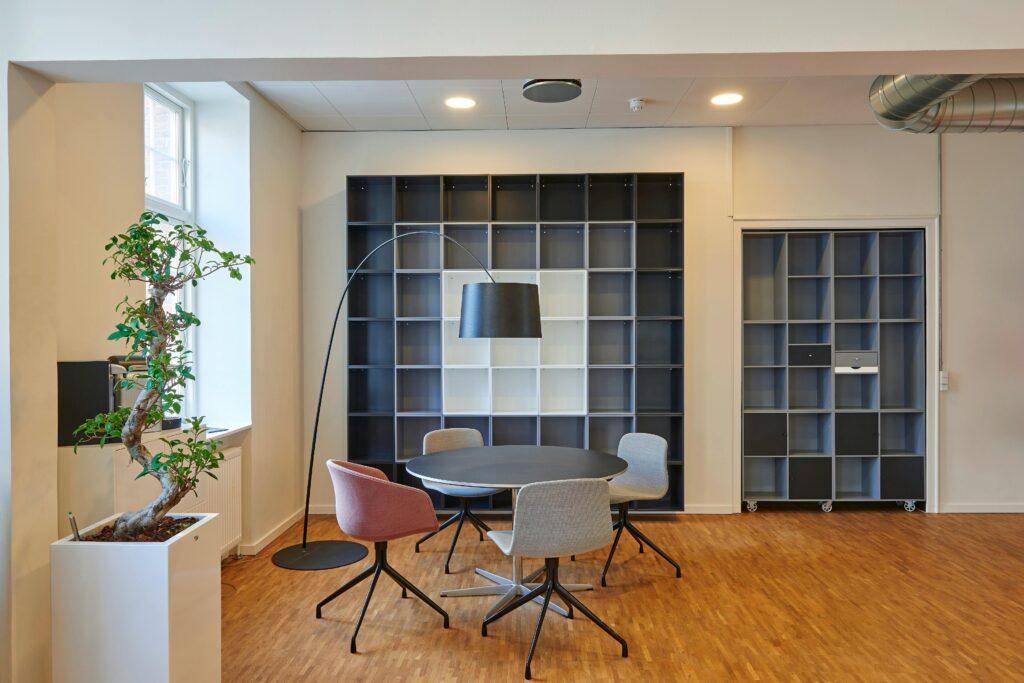
You may not realize that your workspace can affect how you feel and what you accomplish. There is growing awareness of workplace wellness, and the melange of conscious office design to support mental health suits the increasing demands of healthy working conditions. Thoughtful design creates a more productive mood, encourages social interactions, and promotes physical well-being. These changes are necessary since workers’ expectations and needs are developing. As firms begin to truly consider mental wellness through design, the rise of this concept will potentially change the workplace into a progressive, supportive, and acceptable environment that truly meets the demands of every workforce.
Creating Comfortable Work Environments
Your work environment must convey comfort so that you can perform better and feel well. You require natural light and open spaces, since these have the capacity to diminish stress and increase creativity. Reduction in noise disturbance and distractions contributes to concentration. Aesthetics also matter. Subtle colors and soft textures minimize anxiety and bring out composure. Flexible workplaces, which enable switching between varied tasks, help hold attention to detail and creativity. In addition, comfortable furniture and facilities are supportive and send the message to the workers that their rest and safety are valuable. If you feel that your office is built for purpose, you can concentrate more, feel less exhausted, and do your work much better.
Encouraging Movement and Physical Wellbeing
Encouraging physical movement is another method of supporting your mind and body health. Open layouts inspire you to move naturally and mix with your co-workers. Walking routes and casual sit-downs prompt you to take little movements during your job. Further, standing desks and active seating help to battle the risks of a sedentary life. You will even find spaces designed for stretching or even rapid work-out; this literally gets your blood flowing and lifts your spirit. Offices that promote these movements support an active daily routine, making it simpler to merge work and physical well-being. Creativity, mood, and energy frequently increase with movement, thus office designs that get you to move make you much healthier and stronger.
Building Strong Social Connections
To promote your mental health, social relationships at work are essential, and workplaces can be designed to build them. Collaborative spaces are suitable for group work and idea exchange, but quiet corners give you the elegance to hold confidential conversations without being too. Layouts that promote both collective and independent tasks help keep a social balance. Spaces are created to make socialization relaxed, such as coffee spots or lounges creating a more friendly and inviting environment. Such layouts create bonds and trust and improve teamwork and morale in any organization. When you feel comfortable being social in your work place, you get the feeling you belong and hence become more effective and happier in your work.
Ensuring Safety and Peace of Mind
Mental health of the workers is significantly improved when a sense of safety exists at the workplace. Adequately planned access points ensure that only the right individuals enter the premises. The installation of commercial access control systems is a proactive measure to secure sensitive data and spaces. There is a suitable mix of visibility and security that offers safety without compromising the openness of the layout. When using safe designs, stress and anxiety decrease considerably as workers begin to take safety on their premises for granted. Through security measures, you can not only feel physically safe to arrive at your job every day, but because of that, you can work with a confident outlook and provide your best.
Supporting Mental Breaks and Relaxation
Your mental well-being necessitates breaks, and your workspace must offer you places where you can relax. Rest spaces and wellness rooms are especially constructed for you to switch off and refresh. The introduction of nature, such as plants, aids in clearing your head and creating a relaxed atmosphere. By supporting quiet practices, such as meditation, in the office environment, you are visually and auditory free to experience a calming impact. The employment of stress-reducing strategies in design plays a significant role in ensuring the design can lift pressure and the feeling of being overworked. All these help make your office a healthier place and make you less stressed and more balanced in your daily working life.
Conclusion
In essence, your office is stronger than a desk and a computer, it can even influence your mood and your daily performance. You can feel less stressed, supported by designing your wellness in mind, and even more interested in it. When an organization invests in such healthy designs, it not only improves the health of employees, but also increases productivity and morale in the workplace which increases fulfillment in the workplace. Offices designed with people first send a message, a care message, that an employee’s health and happiness are a priority. There could be a closer connection between a workplace being happy in the future and just being successful.
Sources:
https://www.orega.com/news/designing-a-workspace-that-supports-mental-health
https://k2space.co.uk/knowledge/office-design-workplace-wellbeing
https://www.workdesign.com/2022/02/seven-ways-office-design-can-support-mental-health/