


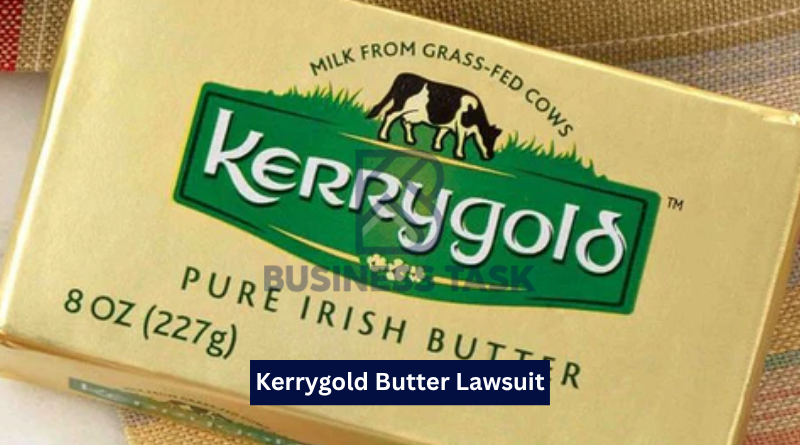
The Kerrygold Butter Lawsuit has drawn attention from consumers, legal professionals, and health advocates alike. As a beloved brand of butter, Kerrygold has long been associated with quality, purity, and natural origins. However, recent legal developments have brought these claims under scrutiny, raising important questions about the ingredients, packaging practices, and advertising language used by the company.
Business Task examines the full scope of the Kerrygold lawsuit, from the origins of the claims to the outcome in court. It also explores the science behind the allegations, the regulatory context, consumer reactions, and the broader implications for food companies and public health.
Understanding Kerrygold Butter and Its Market Position
Kerrygold butter is manufactured by Ornua, an Irish dairy cooperative, and is widely known for its distinctive golden foil packaging and rich flavor. It has gained a strong foothold in the U.S. market, particularly among health-conscious buyers who appreciate its “grass-fed” and “pure” claims. The product has been celebrated for its creamy texture, higher beta-carotene levels from grass-fed cows, and minimal processing. Kerrygold has consistently marketed itself as a clean-label, wholesome food option.
Its popularity has also been driven by consumer demand for transparency, sustainability, and natural foods. For many, the brand’s Irish heritage and traditional farming methods contributed to a perception of quality that justified a premium price. However, the lawsuit filed in 2023 challenged this perception, alleging that the product’s packaging and, by implication, its purity were not as clean as consumers were led to believe.
The Legal Complaint and Allegations Against Kerrygold
In February 2023, a lawsuit was filed in the U.S. District Court for the Eastern District of New York. The plaintiffs claimed that Kerrygold’s packaging contained toxic per- and polyfluoroalkyl substances, more commonly known as PFAS. These are synthetic chemicals that have been widely used in industrial and consumer products due to their resistance to heat, water, and grease.
PFAS are sometimes referred to as “forever chemicals” because of their persistence in the environment and the human body. The concern in the Kerrygold case was that these chemicals were present in the foil wrappers used for the butter sold in the United States. The complaint did not accuse the butter itself of containing PFAS by design but claimed that PFAS in the packaging could migrate into the butter and contaminate it over time.
According to the lawsuit, Kerrygold engaged in deceptive marketing by labeling its butter as “pure” and natural, while failing to disclose the use of PFAS in its packaging. Plaintiffs argued that this misrepresentation misled consumers and that they would not have purchased or paid a premium for the butter had they known about the packaging concerns.
PFAS in Packaging: Scientific and Health Considerations
PFAS chemicals have been linked to a range of health issues, including certain types of cancer, liver damage, immune system disruption, and developmental problems in children. Because of their chemical stability, they do not break down easily and can accumulate in the human body over time.
Recent studies have shown that food packaging materials treated with PFAS can transfer these substances into food, particularly oily or fatty foods like butter. As a result, several U.S. states, including New York and California, have passed laws banning the use of PFAS in food packaging materials. These bans went into effect in 2022 and 2023, increasing regulatory pressure on food manufacturers and packaging suppliers.
In this context, the Kerrygold lawsuit is not an isolated event but part of a broader movement to eliminate harmful chemicals from the food supply chain. Food companies are increasingly expected to ensure that their packaging, as well as their ingredients, meet the same standards of safety and transparency.
Kerrygold’s Defense and Legal Strategy
Ornua, the parent company of Kerrygold, denied the allegations and filed a motion to dismiss the case. The company maintained that its butter was safe, wholesome, and accurately marketed. They argued that the plaintiffs failed to demonstrate that PFAS were present in the product in harmful amounts or that any consumer had suffered an actual injury as a result of purchasing the butter.
Despite these defenses, a federal judge ruled in May 2024 that the lawsuit could move forward, rejecting the initial motion to dismiss. This ruling allowed the case to enter the discovery phase, where evidence could be presented, and both sides would have an opportunity to support their claims. However, a few months later, the parties reached an agreement and requested that the case be dismissed with prejudice, meaning it could not be refiled.
The court approved the dismissal in August 2024, effectively ending the legal dispute. No settlement details were publicly disclosed, and no financial compensation was provided to consumers. The dismissal with prejudice suggests that both parties agreed to resolve the matter privately without a trial or further legal proceedings.
Packaging Changes and Regulatory Compliance
In response to both the lawsuit and new state regulations, Kerrygold made significant changes to its packaging. The company phased out its PFAS-containing foil wrappers and replaced them with compliant alternatives. This decision aligned with laws in states like California and New York, which prohibit the sale of food packaged in materials containing intentionally added PFAS.
The removal of the butter from store shelves in affected states was a temporary measure while the packaging was updated. Once the new, PFAS-free packaging was introduced, the product returned to the market. Although Kerrygold did not publicly acknowledge a link between the packaging changes and the lawsuit, the timing suggests that the company acted to mitigate legal and reputational risks.
Consumer Reactions and Public Discourse
Reactions to the lawsuit varied. Some consumers expressed disappointment and frustration, especially those who felt misled by the brand’s emphasis on purity and naturalness. For buyers who had chosen Kerrygold as a healthier alternative to conventional butter, the discovery of potential chemical exposure felt like a betrayal of trust.
On social media platforms such as Reddit, Twitter, and TikTok, the issue gained traction, with many users sharing concerns about PFAS exposure and the safety of food packaging in general. Others defended the brand, pointing out that PFAS contamination is widespread and that Kerrygold was being unfairly singled out. In many online discussions, users emphasized the need for greater industry-wide accountability and stronger government regulation.
Some consumers also noted that the issue was specific to the U.S. market and that the same packaging practices may not apply to Kerrygold products sold in Europe. This highlights the complexity of global supply chains and the variation in regulatory standards across different regions.
Lessons for the Food Industry and Legal System
The Kerrygold case offers several important lessons for the food industry. First and foremost, it shows that consumers are becoming increasingly vigilant about not just what goes into their food, but also how it is packaged, transported, and marketed. The demand for transparency now extends beyond ingredient lists to include environmental, health, and ethical considerations.
Secondly, the case underscores the legal risks associated with vague or aspirational marketing language. Terms like “pure,” “natural,” and “clean” are attractive to consumers but can lead to lawsuits if companies fail to meet the expectations these terms create. Even if a product’s ingredients are safe, inconsistencies in labeling or packaging can open the door to legal challenges and reputational damage.
Finally, the lawsuit reflects the growing influence of environmental and public health regulations on corporate behavior. With more states enacting bans on PFAS in food packaging and increased public awareness about chemical exposure, companies will need to invest in safer alternatives and improve their supply chain oversight.
No Compensation, But a Wake-Up Call
Although the lawsuit against Kerrygold was dismissed without compensation to consumers, it had significant ripple effects. The public gained a better understanding of PFAS, their presence in packaging, and the limitations of marketing claims. The company, in turn, responded with practical changes that brought its practices in line with regulatory standards.
For other food brands, the case serves as a reminder of the importance of comprehensive quality control and clear, honest communication with consumers. Transparency, compliance, and accountability are no longer optional—they are essential to long-term success and consumer trust.
Looking Ahead: The Future of Clean Packaging
As concern over PFAS and other environmental toxins continues to rise, the food industry faces increased pressure to innovate. Alternatives to PFAS-treated materials are being developed, including compostable and biodegradable packaging that performs well without harmful chemicals. Companies that adopt these alternatives early may not only avoid legal troubles but also build stronger relationships with increasingly conscious consumers.
Retailers are also beginning to play a role by favoring brands that commit to safer packaging. Supermarkets and grocery chains may implement their own sourcing standards, pushing manufacturers to reformulate packaging materials proactively.
The Kerrygold butter lawsuit, though short-lived in court, sparked a much larger discussion that is far from over. It highlighted the invisible layers of product safety that most consumers never think about and brought attention to a silent but widespread issue in food production.
Conclusion
The Kerrygold Butter Lawsuit was a revealing episode in the evolving relationship between food producers and consumers. It showcased the power of public scrutiny, the influence of regulatory change, and the legal consequences of perceived misrepresentation. While the lawsuit did not result in financial restitution or a formal admission of fault, it catalyzed real change in packaging practices and raised awareness about PFAS contamination.