


Understanding Foam Conversion in Simple Terms
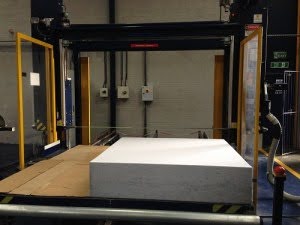
At its core, foam conversion is the art of taking raw foam materials and shaping them into products that solve real-world problems. It could be as straightforward as slicing foam sheets into specific sizes or as advanced as computer-controlled profiling for detailed acoustic designs.
This process turns an everyday material into a specialist solution used in industries such as packaging, construction, medical, marine, and automotive. The flexibility of foam allows engineers and manufacturers to approach challenges with innovation, whether it’s cutting down noise, insulating against heat, or protecting fragile items in transit.
The Role of Foam in Bespoke Acoustic Solutions
Sound management is a growing concern in workplaces, homes, and industrial environments. That’s where bespoke acoustics created through foam conversion make a difference.
- Noise Absorption: Foam panels help capture sound waves, reducing echo and background noise.
- Custom Profiling: CNC-machined foams can be tailored into pyramid, wedge, or egg-crate shapes to handle different sound frequencies.
- Special Applications: From vehicle cabins to yacht engine rooms, foam solutions address unique acoustic challenges that standard materials can’t.
By offering tailor-made sound control, foam conversion plays a key role in creating healthier, more productive, and more comfortable environments.
Common Types of Foam Used in Conversion
Different foams serve different purposes, and the conversion process brings out the best in each:
- Polyurethane Foam – soft, flexible, and widely used in seating, bedding, and insulation.
- Polystyrene Foam – lightweight with excellent insulating properties, perfect for construction and packaging.
- Polyethylene Foam – tough and moisture-resistant, commonly used for protective packaging and industrial padding.
The versatility of these materials means manufacturers can design bespoke solutions for almost any requirement.
Key Processes That Drive Foam Conversion
Foam conversion isn’t a single method—it’s a set of techniques that deliver precise, high-quality results.
- Cutting and Slitting – produces consistent sheets and shapes.
- Water Jet Cutting – allows fine detailing without damaging the foam structure.
- Laminating – combines layers for stronger, multi-functional products.
- Die Cutting – creates exact shapes for packaging or acoustic uses.
- Spray Finishing – adds surface coatings for durability or aesthetics.
These methods ensure foam products meet strict technical requirements while remaining cost-effective.
Industry Applications – Where Foam Conversion Makes a Difference
Foam is everywhere, though often unnoticed. Converted foam products are critical in many industries:
- Automotive: Headrests, trim panels, noise control, and cabin comfort.
- Construction: Insulation, vibration dampening, and fire-resistant materials.
- Marine: Acoustic and thermal insulation in boats and yachts.
- Medical: Cushions, orthopedic supports, and specialist medical products.
- Packaging: Custom foam inserts that protect high-value goods.
Each of these industries benefits from the adaptability of foam conversion to meet technical and safety needs.
Spotlight on Class 0 Foam – Safety Meets Performance
Among all foam types, Class 0 foam stands out for environments with high fire risks. Its properties include:
- Fire Resistance – nil burn rate, meaning it does not support combustion.
- Acoustic Excellence – ideal for reducing engine and industrial noise.
- Flexibility – easily shaped to fit curved or complex structures.
- Durability – stable, safe to handle, and long-lasting.
It is commonly used in heavy vehicles, generator canopies, and marine applications, proving that safety and sound performance can go hand in hand.
The Benefits of Foam Conversion for Businesses
Companies that invest in foam conversion enjoy several advantages:
- Tailored Products – no two projects need the same solution, and conversion ensures perfect fit and function.
- Enhanced Safety – fire-resistant and non-toxic foams meet strict industry standards.
- Noise and Thermal Comfort – improves working conditions and user experience.
- Cost Savings – durable, efficient materials reduce maintenance and replacement costs.
- Sustainability Options – eco-friendly foams and precise cutting minimize waste.
In short, foam conversion adds value well beyond the raw material.
Looking Ahead – The Future of Foam Conversion and Acoustics
As industries demand higher performance and greener solutions, foam conversion continues to evolve. Advanced CNC profiling, new lamination techniques, and the use of recycled materials are driving the sector forward.
In the area of bespoke acoustics, this means better-designed panels for offices, theaters, and homes, ensuring environments are not only quieter but also more energy-efficient and sustainable.
Final Thoughts – Why Foam Conversion Is a Game-Changer
Foam conversion has grown from a simple cutting process into a highly technical industry that underpins comfort, safety, and performance in countless applications.
For businesses, it represents an opportunity to achieve tailored solutions that enhance products and services. For individuals, it means improved sound quality, safer environments, and better living spaces.
When it comes to bespoke acoustics or industrial applications, foam conversion is not just shaping material—it’s shaping smarter solutions for the future.