
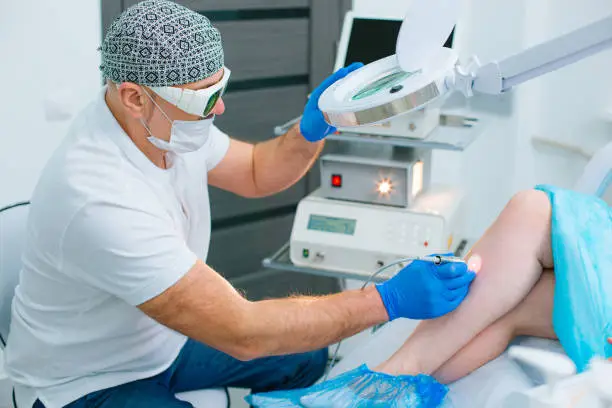
Spider veins, while often a cosmetic concern, can also cause discomfort and signify underlying vascular issues. At Metro Vein Centers, patients can gain a clear understanding of these tiny, thread-like veins and receive guidance on appropriate treatment options. In this text, we will explore effective spider vein treatments aimed at improving appearance and overall vein health, ensuring individuals have the knowledge they need to select the best course of action for their specific situations.
Understanding Spider Veins
Spider veins are small, dilated blood vessels that appear close to the skin’s surface, often resembling spider webs or tree branches. They commonly occur on the legs and face and may vary in color from red to blue or purple.
Causes and Risk Factors
Several factors contribute to the development of spider veins. Genetic predisposition plays a significant role: if family members have them, the likelihood increases. Other common causes include hormonal changes, which can occur during pregnancy, menopause, or due to hormone therapies. Also, prolonged periods of standing or sitting can increase pressure in the veins, leading to their development.
Age is another significant factor, as elasticity in skin and veins decreases over time. Other risk factors include obesity, sun exposure, and a history of blood clots, all of which can contribute to the formation of these visible veins.
Symptoms and Diagnosis
While spider veins are primarily a cosmetic concern, they can cause discomfort or aching in some cases. Individuals may experience symptoms such as swelling or a heavy feeling in the legs, especially after sitting or standing for long periods. Diagnosis usually involves a clinical examination by a healthcare professional who may inquire about the patient’s medical history and symptoms. Sometimes, an ultrasound may be conducted to assess blood flow in the veins and rule out other conditions.
Popular Treatments for Spider Veins
There are several effective treatments available for spider veins, each offering unique benefits and results.
Sclerotherapy
Sclerotherapy is a well-established technique that involves injecting a solution directly into the affected veins. This solution irritates the lining of the blood vessel, causing it to collapse and eventually fade from view. This treatment typically takes about 30 minutes to perform, and patients often see a noticeable improvement within weeks. Multiple sessions may be necessary to achieve optimal results.
Laser Therapy
Laser therapy uses focused light energy to target and destroy spider veins. It is a non-intrusive option that can treat veins on both the face and legs. Patients may experience minimal discomfort, such as a slight sting during treatment. Results can vary, but many individuals report successful outcomes after just one session, with improvements continuing over time as the body absorbs the treated veins.
Endovenous Laser Treatment (EVLT)
Endovenous Laser Treatment (EVLT) is an innovative approach aimed primarily at larger veins associated with spider veins. In this minimally invasive procedure, a laser fiber is inserted into the problematic vein through a small incision. The laser then heats and seals the vein, preventing blood flow. EVLT boasts a quick recovery time and high efficacy, making it a popular choice among those seeking effective solutions for their vein issues.
Radiofrequency Ablation
Similar to EVLT, radiofrequency ablation employs heat to target and close off problematic veins. But, this technique uses radiofrequency energy instead of laser light. The procedure usually lasts around one hour and is noted for being relatively painless. Patients can typically return to their daily activities shortly after treatment, making it an attractive option.
Comparing Treatment Options
When considering spider vein treatments, understanding the differences can assist individuals in making the best choice.
Effectiveness and Results
The effectiveness of each treatment can vary by individual and the severity of the spider veins. Sclerotherapy tends to be highly effective for smaller veins, while laser therapies may offer better results for those with larger or more apparent veins. EVLT and radiofrequency ablation are often recommended for more significant vein issues, with most patients experiencing satisfactory results following treatments.
Recovery Time and Side Effects
Recovery times can differ based on the procedure chosen. Sclerotherapy typically requires minimal downtime, while laser options are similar in allowing patients to resume everyday activities almost immediately. EVLT and radiofrequency ablation, while slightly more invasive, also allow for a quick recovery. Common side effects for these treatments may include temporary bruising or pain at the treatment site, but these usually subside rapidly.
Who Should Consider Treatment?
Individuals with visible spider veins, especially those experiencing discomfort or associated symptoms, may find treatments beneficial. But, before undergoing any procedure, a consultation with a healthcare professional is essential to assess overall health and suitability for the desired treatment.
Cost of Treatments
The cost of spider vein treatments can vary significantly based on the method chosen, the extent of the veins, and geographical location. Sclerotherapy tends to be one of the most affordable options, whereas laser treatments and radiofrequency ablation may come at a higher price due to their advanced techniques. On average, individuals can expect to pay anywhere from $300 to $3,000, depending on multiple factors.
Insurance Coverage and Financing Options
Many insurance plans consider treatments for spider veins as cosmetic procedures: hence, coverage may be limited or nonexistent. But, some may cover treatment if it is deemed medically necessary. It’s advisable to check with insurance providers and consult with the healthcare facility about financing options, which could make treatments more accessible.
Tips for Keeping Veins Healthy Post-Treatment
To maintain vein health following treatment, patients should adhere to several recommendations:
- Stay Active: Regular physical activity, such as walking or swimming, promotes healthy blood circulation.
- Maintain a Healthy Weight: Excess weight can increase pressure on the veins, thereby worsening their condition.
- Use Compression Stockings: These can aid in improving circulation and preventing the return of spider veins.
- Stay Hydrated and Eat a Balanced Diet: Proper hydration helps maintain blood flow, while a diet rich in fiber supports overall vascular health.
- Follow-Up with Healthcare Professionals: Schedule regular check-ups to monitor vein health and address any concerns.
Conclusion
Effective spider vein treatments are available, offering individuals a chance to improve both the aesthetic appearance of their legs and overall vein health. By understanding the various causes, treatments, and recovery options, individuals can make informed decisions tailored to their needs. Consulting with a healthcare professional can further ensure that the chosen treatment plan aligns with personal health goals, leading to the best possible outcomes.