
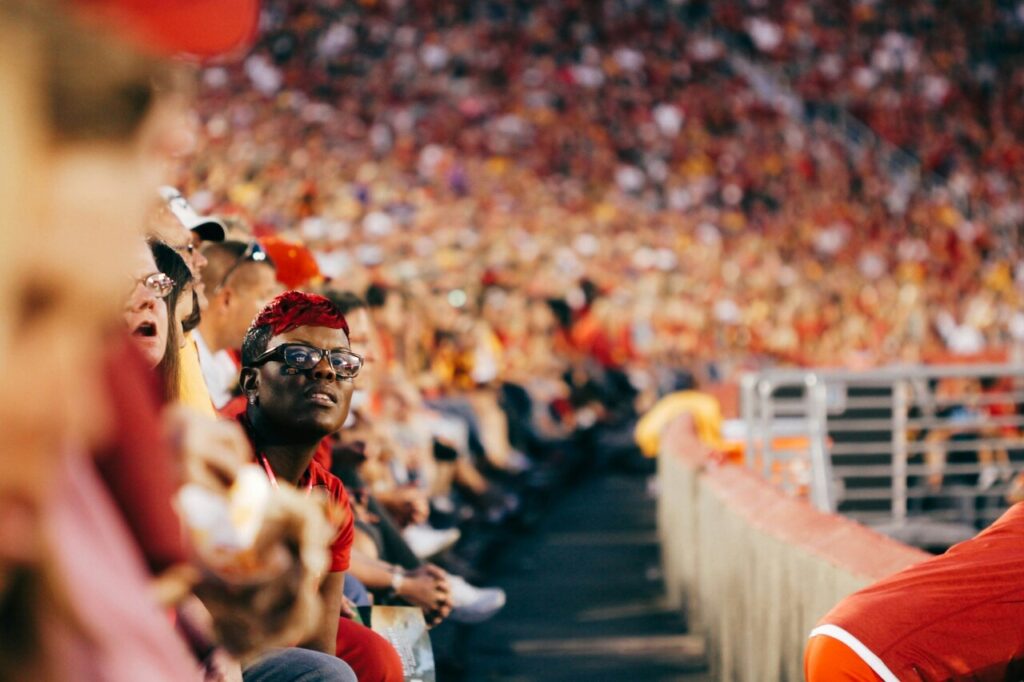
The relationship between sports clubs and their followers has always been more ground-up – it’s the regular match goers that set the culture and tone, and begin traditions, chants, protests, and shape their own identity. But with the digital reach of sports teams, like through social media, they’ve never held so much power over relations and the fan engagement opportunities that come with it.
The barriers of traditional fandom
Sports fans are no longer limited by the physical capacity of a stadium – they’ve gone global and many have even franchised. Online spaces have allowed clubs to cultivate global online fan communities. While a Chelsea fan in Kenya may have once caught a game each week, or month, on television, they can now endlessly see tweets and YouTube videos from the official club and players.
This digitization around the world has brought diversity of income, but also consistency during the off-season. Content can still be made – the club doesn’t just shut down over summer, it’s only the player that have a vacation.
Over 90% of Gen Z and Millennial fans consume sports content primarily via social media and digital platforms. Some do not even watch the games live, but simply experience the games through live comment feeds and clipped highlights.
Being involved in club decisions
One of the main changes in supporter interaction is the ability for fans to influence certain aspects of their club’s daily life. Decisions around jersey designs, stadium music, or even the messages displayed in the locker room were all just internal calls made behind closed doors – a small number of men in suits deciding what represents the fans. Now, the fans can have control with competitions, polls, and online discourse.
A big part of this economy has been fan tokens, which act as a digital key to various club-related perks. Using these tools means that supporters can more safely participate in official polls, helping shape the aesthetic and atmosphere of the team they love. It’s a change in agency that suggests that future fan loyalty will be measured not just by attendance, but by a supporter’s digital footprint and their active contribution to the club’s visual and cultural identity. It’s global, and it’s inclusive (ever more important given fans are increasingly priced out of tickets).
Data shows that clubs adopting these digital assets have seen annual revenue increases of up to 25% due to better monetization of these direct fan relationships. Fan involvement means a deeper sense of belonging.
Exclusive content & rewards
Governance is one thing, but it’s also about loyalty rewards and digital ecosystems are perfect for money-can’t-buy digital fan experiences. Virtual meet-and-greets with star players, for example, or early access to behind-the-scenes documentaries and a chance to win VIP matchday hospitality.
It’s all about making the fans’ voices heard and creating direct lines of communication. Access to premium digital content that isn’t available on standard social media is a highly engaging reward for dedicated fans. Modern sports platforms to facilitate this essentially act as decentralised media houses, allowing teams to bypass traditional broadcasters and forge a direct, unfiltered emotional bond with their global audience. Best of all, it’s often the low-cost production stuff that is most engaging, like live streams and Q&As.