
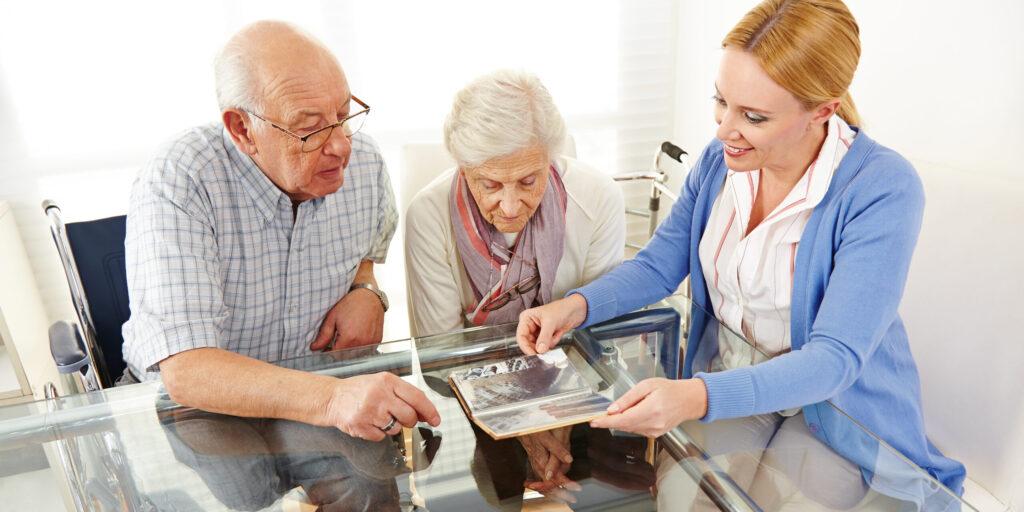
As our population ages, more families are discovering just how transformative in-home care can be for their elderly loved ones. This personalized approach to senior care lets aging individuals maintain their independence while getting the support they need, right in the comfort of their own homes. It’s become a compassionate solution that addresses both the everyday practical stuff and the emotional needs that matter so much to seniors. The ability to age in place with professional assistance has really changed how families think about elder care, creating opportunities for seniors to enjoy their golden years with enhanced quality of life, greater autonomy, and meaningful connections to the communities they’ve always called home.
Preserving Independence and Personal Dignity
Here’s something remarkable about in-home care: it genuinely preserves a senior’s sense of independence and personal dignity. Think about it, unlike residential facilities where everyone follows the same institutional schedule, in-home care allows elderly individuals to maintain control over their daily routines. They choose when to wake up, when to have meals, and how to spend their leisure time. This autonomy isn’t just a nice perk; it plays a crucial role in maintaining mental health and self-esteem.
Personalized Care Tailored to Individual Needs
In-home care really shines when it comes to providing customized support that adapts to each senior’s unique circumstances. Unlike the one-size-fits-all approaches you’ll often find in institutional settings, in-home caregivers develop intimate knowledge of their clients’ specific needs, routines, and personalities. This enables them to deliver truly personalized assistance that makes a real difference. The individualized attention ensures care plans address not only medical requirements but also social, emotional, and lifestyle considerations that contribute to overall well-being. What’s particularly valuable is that caregivers can adjust their support levels as needs change over time, scaling services up during recovery periods or down as conditions improve. This flexibility provides solutions that evolve with the senior’s circumstances. The continuity of care that comes from working with consistent caregivers builds genuine trust and rapport, creating meaningful relationships that enhance the caregiving experience for everyone involved. This personalized approach extends to accommodating cultural preferences, dietary restrictions, spiritual practices, and personal interests, ensuring that care feels natural and respectful rather than intrusive or impersonal.
Strengthening Family Connections and Social Engagement
In-home care creates wonderful opportunities for seniors to maintain meaningful connections with family members and their broader social networks. When elderly individuals remain in their own homes, family visits happen in comfortable, familiar settings where everyone feels at ease. This encourages more frequent and relaxed interactions that genuinely strengthen familial bonds. Grandchildren can visit without feeling uncomfortable in an institutional atmosphere, allowing natural intergenerational relationships to flourish and creating precious memories that last. Professional caregivers also facilitate social engagement by encouraging and enabling seniors to participate in community activities, religious services, social clubs, and recreational programs they’ve always enjoyed. This continued social involvement combats isolation and loneliness, two significant risk factors for depression and cognitive decline in elderly populations. For those who’ve served their country, specialized veterans home care in Jacksonville provides additional support tailored to the unique needs of military veterans navigating their senior years. In-home care providers often coordinate with family members to keep everyone informed about the senior’s wellbeing, creating a supportive network that truly wraps around the aging individual. The ability to host friends, maintain neighborhood relationships, and stay connected to local community life preserves the social fabric that gives meaning and joy to daily existence.
Promoting Physical Health and Safety
Professional in-home caregivers play an absolutely vital role in maintaining and improving the physical health of aging individuals. They provide attentive monitoring, assistance with daily activities, and proactive safety measures that make a tangible difference. Trained caregivers can spot subtle changes in health status that might otherwise slip by unnoticed, enabling early intervention for emerging medical issues before they turn into serious complications. Assistance with personal care tasks like bathing, dressing, and grooming helps seniors maintain hygiene and dignity while reducing fall risks associated with these activities.
Supporting Cognitive Function and Mental Wellbeing
The mental and emotional benefits of in-home care extend well beyond basic companionship, they actively support cognitive function and psychological health in aging populations. Regular social interaction with compassionate caregivers provides mental stimulation that helps maintain cognitive abilities and may even slow the progression of dementia, related conditions. Caregivers engage seniors in meaningful conversations, memory-sharing activities, puzzles, games, and hobbies that exercise the mind and provide purposeful engagement throughout the day. The reduced stress associated with aging in familiar surroundings, combined with consistent support from trusted caregivers, significantly improves mental health outcomes compared to the anxiety many seniors experience during institutional placement.
Conclusion
In-home care represents a comprehensive approach to supporting aging individuals that addresses physical, emotional, social, and practical needs while honoring their dignity and independence. By enabling seniors to remain in familiar surroundings with personalized assistance, this model of care delivers measurable improvements in quality of life, health outcomes, and overall satisfaction. The flexibility, individualization, and genuine compassion inherent in professional in-home care services create an environment where elderly individuals can truly thrive during their golden years. As families navigate the complex decisions surrounding elder care, understanding how in-home services enhance wellbeing provides valuable insight for making choices that honor both the practical needs and personal wishes of aging loved ones. The investment in quality in-home care pays real dividends in extended independence, preserved dignity, and enriched daily experiences that make every day meaningful and fulfilling.