
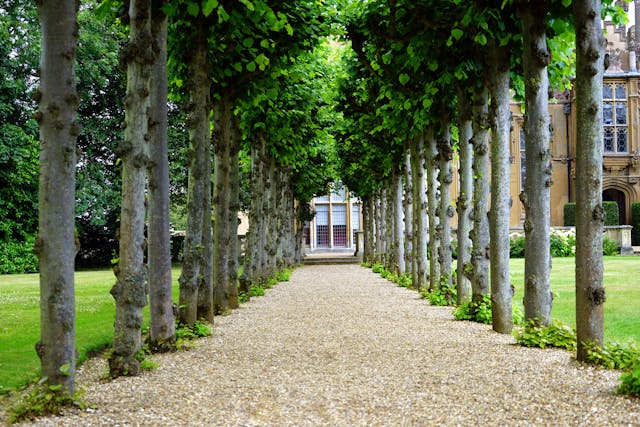
Creating the perfect yard space combines artistic vision with practical know-how, requiring careful planning and thoughtful choices about design and upkeep. Whether you’re working with a completely blank slate or reimagining an existing outdoor area, achieving your ideal yard means really understanding what you’ve got to work with, figuring out what you need, and finding that sweet spot between looking great and working well. A thoughtfully designed yard does more than just boost your home’s street appeal; it becomes a genuine retreat where you can unwind, host friends, and reconnect with the outdoors. When you follow proven design principles and make strategic choices, any outdoor area can become a stunning extension of your home that brings joy for years ahead.
Understanding Your Space and Its Potential
Before jumping into any yard transformation, spend some quality time getting to know your outdoor space and what makes it unique. Walk your property at various times throughout the day to see where sunlight falls, spot any drainage trouble spots, and take note of features you’d like to keep or say goodbye to. The size and shape of your yard matter more than you might think– they’ll influence everything from design possibilities to how grand or modest your features can be. Check out your soil quality, see what’s already growing, and look for any slopes or uneven ground that might challenge your plans or actually create interesting opportunities.
Defining Your Yard’s Primary Purpose
The secret to crafting your perfect yard really comes down to getting clear about how you’ll actually use the space and what your household needs from it. Are you dreaming of an outdoor entertainment destination for social gatherings, a quiet sanctuary where you can decompress, a safe play zone for kids and pets, or perhaps a blend of several functions? How you answer that question will shape every decision that follows, from layout and materials to plants and special features. Families with little ones might make open play areas and tough, durable surfaces their top priority, while dedicated hosts might focus on creating separate zones for dining, relaxing, and conversation. It’s worth thinking about both what you need right now and how those needs might shift down the road, making sure your design can grow and adapt with you.
Selecting the Right Ground Cover
Choosing the right ground cover for different sections of your outdoor space ranks among the most significant decisions you’ll make. Traditional grass lawns have been the go-to for decades, but today’s homeowners can tap into a much broader menu of options that might actually work better for specific situations. Natural grass delivers that classic look and naturally cooling effect, though it demands consistent watering, regular mowing, periodic fertilizing, and ongoing attention to maintain that picture-perfect appearance. When you’re dealing with high-traffic areas, tricky growing conditions, or simply want to minimize maintenance demands, alternative ground covers often deliver better results.
Creating Functional Zones and Flow
Smart yard design means breaking your outdoor space into distinct functional zones that serve different purposes while still feeling connected and harmonious. Begin by sketching out your main activity areas, dining spots, lounging spaces, play zones, garden beds, and the pathways that tie everything together. Use natural dividers like strategic plantings, subtle elevation changes, decorative screens, or different ground materials to define these zones without putting up walls that chop up the visual flow. Think about what you’ll see from inside your home, making sure views from important windows and doors highlight your yard’s most appealing features.
Incorporating Essential Hardscape Elements
Hardscape features create the structural foundation of any successful yard design, delivering permanence, practical function, and visual appeal that lasts through every season. Patios and decks provide solid, weather-proof surfaces for furniture and activities, essentially pushing your living space outdoors. Pathways direct foot traffic through your yard while protecting planted areas, and you can build them from numerous materials, pavers, flagstone, gravel, concrete, to match whatever style you’re going for. Retaining walls pull double duty, managing slopes and creating flat planting zones while adding dimensional character to otherwise flat yards.
Selecting Plants and Greenery Strategically
The plants you select and how you arrange them can absolutely make or break your yard’s overall look and functionality. Build from the ground up with a foundation of trees and substantial shrubs that deliver structure, shade, and privacy, then fill in with medium-sized plants and ground covers to build depth and visual richness. Pick plants that thrive in your climate and match the specific conditions in different yard sections, sun-worshipping varieties for bright spots, shade-lovers for darker corners. Keep mature plant sizes in mind to dodge overcrowding and future maintenance nightmares, spacing them correctly from day one even if things look a bit sparse at first.
Maintaining Your Perfect Yard Space
Getting your yard to that perfect state is just step one, keeping it maintained properly ensures your outdoor space stays beautiful and functional over the long haul. Set up a regular maintenance calendar with tasks suited to each season, from spring cleanup and fresh mulch application to fall leaf management and winter prep work. Put your money into quality tools and equipment that make routine jobs easier and more efficient, and take time to learn proper techniques for activities like pruning, fertilizing, and managing pests. For homeowners with synthetic lawns, an artificial grass sweeper helps remove debris and keep fibers upright for a pristine appearance year-round. Regular upkeep also gives you chances to spot small issues before they balloon into major problems, saving both time and cash down the line. Figure out which tasks you genuinely enjoy tackling yourself and which you’d rather hand off to professionals, finding a balance that works with your schedule and skill set. Keep detailed notes about what you’ve planted, when treatments were applied, and how different yard areas respond to various care approaches, building this knowledge base will sharpen your maintenance game over time. Even the most low-maintenance yard designs need some level of attention, and staying consistent prevents the need for more intensive rescue missions later.
Conclusion
Creating your perfect yard space is absolutely within reach when you bring together careful planning, smart design decisions, and dedication to regular care. By truly understanding what makes your space unique, establishing clear purposes for different areas, choosing materials and plants that make sense, and staying on top of maintenance, you can turn any outdoor area into a stunning, functional extension of your home. The perfect yard ultimately comes down to what works for your specific needs, mirrors your personal taste, and brings real enjoyment to you and your family. Whether you tackle your yard transformation in one ambitious push or phase it in gradually over time, each improvement moves you closer to the outdoor space you’ve been dreaming about.