

Starting a business is a dream for many entrepreneurs, and choosing the right business structure is one of the first important steps. In Florida, the Limited Liability Company, commonly known as an LLC, is one of the most popular choices. It combines the flexibility of a partnership with the liability protection of a corporation, making it suitable for small business owners, freelancers, and even larger enterprises. Understanding how to get an LLC in Florida is crucial for anyone who wants to operate legally and build a strong foundation for growth.
Starting an LLC in Florida might seem tricky at first, but the state has made it simple with clear steps. From picking the perfect name to filing your paperwork with the Division of Corporations and doing a quick Sunbiz LLC lookup to ensure your name is available every step matters to keep your business fully compliant. In this guide, we’ll break down everything about forming an LLC in Florida: legal requirements, filing procedures, costs, compliance tips, and the common mistakes business owners must avoid. By the end, you’ll have a complete, step-by-step roadmap to launch your business smoothly in the Sunshine State.
Why Choose an LLC in Florida
An LLC is often preferred by entrepreneurs because it provides liability protection. This means that your personal assets, such as your home or car, are shielded from business debts or lawsuits. If the company runs into financial trouble, creditors cannot usually go after the owner’s personal property, which gives business owners peace of mind.
Florida also offers a business-friendly environment with no state income tax on individuals. This makes the LLC structure even more attractive for entrepreneurs who want to keep more of their earnings. Additionally, LLCs in Florida enjoy flexibility in management and fewer formalities compared to corporations. This makes them ideal for small and medium-sized businesses looking for a balance between simplicity and protection.
Understanding the Florida Division of Corporations
The Florida Division of Corporations is the state authority that oversees the registration of all business entities. This office is responsible for processing LLC filings, maintaining public records, and ensuring compliance with state laws. The online platform, Sunbiz, is the official website where business owners can submit forms, check company status, and search for existing entities.
When you decide to form an LLC, this is the office you will work with to file your Articles of Organization. Sunbiz makes the process straightforward by providing online forms, payment systems, and public access to records. Without the Division of Corporations, there would be no legal recognition of your business, which highlights its importance in the entire process of starting an LLC in Florida.
Choosing the Right Name for Your Florida LLC
The first step in forming an LLC is selecting an appropriate name. Florida law requires that every LLC name be unique and distinguishable from other businesses registered in the state. The name must include the words Limited Liability Company or an abbreviation like LLC or L.L.C. This requirement informs the public that the business operates under this structure.
Before finalizing your choice, you must search the Sunbiz database to ensure your desired name is not already taken. If another company has a similar or identical name, your application will be rejected. Business owners are encouraged to think creatively, avoid generic names, and check domain availability to ensure consistency across legal and online branding.
Filing the Articles of Organization
The Articles of Organization is the official document that creates your LLC in Florida. This form includes basic information such as the company’s name, principal office address, mailing address, registered agent details, and the names of members or managers if applicable. Filing this document is what gives your business legal recognition with the state.
You can submit the Articles of Organization online through the Sunbiz portal or mail a paper form to the Division of Corporations. The filing fee is required, and processing times vary depending on whether you file online or by mail. Once the state approves your filing, you will receive a confirmation that your LLC is officially formed.
Appointing a Registered Agent in Florida
Every LLC in Florida must designate a registered agent. This is an individual or company authorized to receive legal notices, tax documents, and official correspondence on behalf of your business. The registered agent must have a physical street address in Florida and be available during regular business hours.
Choosing the right registered agent is important because failure to maintain one can result in penalties or even dissolution of your LLC. Some business owners act as their own agents, but many prefer professional services to ensure reliability and privacy. These services also help you stay compliant by reminding you of important deadlines.
Understanding LLC Operating Agreements
Although Florida does not require LLCs to have an operating agreement, it is strongly recommended. An operating agreement is an internal document that outlines ownership structure, management responsibilities, profit distribution, and procedures for decision-making. This agreement is especially important for multi-member LLCs to prevent conflicts.
Even single-member LLCs benefit from an operating agreement because it strengthens the company’s legal standing. Courts are more likely to respect the separation between personal and business assets if formal documents like this exist. Drafting a clear and comprehensive agreement ensures smoother operations and protects members in case of disputes.
Getting an EIN for Your Florida LLC
The Employer Identification Number, often called EIN or Federal Tax ID, is issued by the Internal Revenue Service. This number is necessary for tax purposes, opening business bank accounts, hiring employees, and applying for business licenses. It essentially acts as a Social Security number for your company.
Applying for an EIN is free and can be done online through the IRS website. Even if you do not plan to hire employees immediately, having an EIN is useful for separating your personal and business finances. It is a standard step for most LLCs, ensuring that your company is properly recognized at both the state and federal levels.
Filing Annual Reports with the State
Forming your LLC is not the end of your responsibilities. Florida requires all LLCs to file an annual report with the Division of Corporations by May 1 each year. This filing keeps your company’s information current, including addresses and registered agent details. It also confirms that your business remains active and in compliance with state law.
Failing to file the annual report results in late fees and could eventually lead to administrative dissolution of your LLC. Business owners must mark this deadline on their calendars and file on time to maintain good standing. The report is submitted online through Sunbiz, and the filing fee must be paid each year.
Understanding the Costs of Getting an LLC in Florida
Forming an LLC in Florida involves several costs. The primary expense is the filing fee for the Articles of Organization. There may also be additional fees if you choose expedited processing, name reservations, or professional registered agent services. While these fees are not excessive, they should be included in your budget when planning your business launch.
Ongoing costs include the annual report filing fee and any professional services you use for compliance. Compared to corporations, LLCs are relatively affordable to maintain in Florida. This makes them a cost-effective choice for entrepreneurs who want liability protection without the heavy expenses of other business structures.
Tax Considerations for Florida LLCs
One of the biggest advantages of forming an LLC in Florida is the tax flexibility it offers. By default, LLCs are treated as pass-through entities, meaning profits and losses are reported on the owners’ personal tax returns. This avoids the double taxation that corporations often face.
Florida also does not impose a state income tax on individuals, which is another benefit for LLC owners. However, depending on your business activities, you may still be responsible for federal self-employment taxes, sales taxes, or industry-specific taxes. Consulting a tax professional helps ensure compliance and maximizes your financial benefits.
Business Licenses and Permits in Florida
While forming an LLC establishes your company at the state level, you may also need local licenses or permits to operate legally. Requirements vary depending on your industry and location. For example, a restaurant may need health permits, while a construction company may require contractor licenses.
Checking with your city or county government is essential to determine the specific permits you need. Operating without the proper licenses can lead to fines or even closure of your business. Securing the right permits ensures that your LLC is not only formed but also fully authorized to conduct business in Florida.
Opening a Business Bank Account for Your LLC
After forming your LLC, one of the most important steps is opening a separate business bank account. Keeping your business and personal finances separate is critical for liability protection. If you mix funds, courts may decide to pierce the corporate veil, putting your personal assets at risk.
Most banks require your Articles of Organization, EIN, and sometimes your operating agreement to open a business account. Having a dedicated account makes bookkeeping easier, simplifies tax preparation, and strengthens your company’s credibility with clients and partners.
Common Mistakes to Avoid When Forming an LLC
Many entrepreneurs make mistakes when forming their LLCs, which can lead to delays or legal issues. One common error is choosing a name that is too similar to an existing business. This results in rejected applications and wasted time. Another mistake is failing to file the annual report on time, which can cause dissolution of the company.
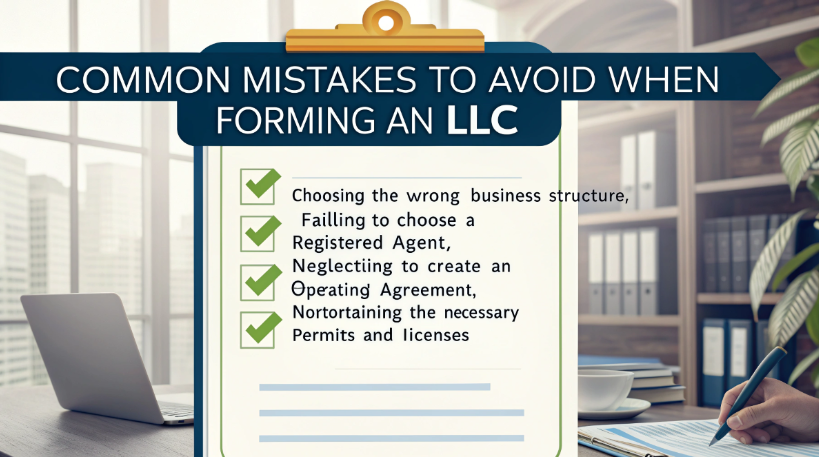
Some business owners also neglect to create an operating agreement, assuming it is unnecessary. However, the absence of this document can cause disputes among members and weaken liability protection. Avoiding these mistakes ensures your LLC remains compliant and legally strong.
Comparing Florida LLCs with Other Business Structures
When deciding whether to form an LLC, it helps to compare it with other structures. Sole proprietorships are the simplest but offer no liability protection, meaning your personal assets are at risk. Corporations provide strong protection but require more paperwork, stricter formalities, and sometimes double taxation.
LLCs strike a balance by offering liability protection without burdensome requirements. Partnerships may work for some businesses, but they do not provide the same protection as LLCs. By comparing your options, it becomes clear why LLCs are one of the most popular choices in Florida.
The Role of Professional Services in Forming an LLC
While many entrepreneurs choose to form their LLCs themselves, others prefer professional services. These companies handle name searches, filing of Articles of Organization, and compliance reminders. They also offer registered agent services, operating agreement templates, and tax consultations.
Using professional help can save time and ensure accuracy, especially for first-time business owners. Although it comes with additional costs, it reduces the risk of errors and gives you peace of mind knowing that experts are guiding you through the process.
Final Thoughts on How to Get an LLC in Florida
Forming an LLC in Florida is a smart move for entrepreneurs seeking liability protection, tax flexibility, and easy management. Knowing the cost to form an LLC in Florida upfront helps you plan better, as the process includes choosing a name, filing the Articles of Organization, appointing a registered agent, and submitting annual reports. Each step ensures your business stays fully legal and compliant with state laws.
By carefully following the process, avoiding common mistakes, and considering professional assistance when needed, you can successfully establish your LLC in Florida. Once formed, your LLC serves as the foundation for building your brand, protecting your assets, and pursuing growth opportunities in one of the most dynamic states for business.