
The Hidden Nuances of Market Entry in Israel: Balancing Opportunity Against Regulatory, Cultural, and Logistical Barriers
For international manufacturers, technology providers, and consumer brands, expanding into new geographical zones is a calculation of risk versus reward. In this global evaluation, Israel represents a highly sophisticated, attractive, and technology-driven OECD-member economy with strong purchasing power. From massive grid modernization initiatives to a highly dense consumer ecosystem, the commercial opportunities are undeniable.
However, navigating this unique landscape presents deep, structural hurdles. Success does not depend solely on a superior product line, but on a clear blueprint for conquering local regulatory environments, structured procurement frameworks, and profound logistical realities.
As a premier specialist in managing these complex transitions, Marketing Development Israel Ltd (MDI LTD) helps foreign enterprises safely bridge the gap between global technological excellence and local execution. This article analyzes the core opportunities within the Israeli market alongside the specific regulatory, operational, and logistical strategies required to unlock them.
The Logistical Reality: Operating within an “Island Economy”
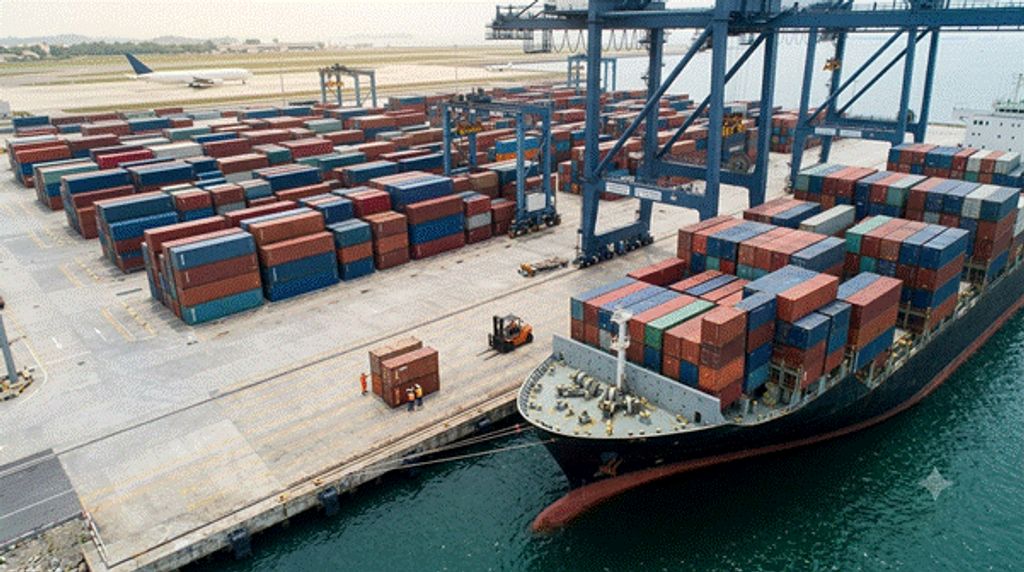
One of the most defining structural characteristics of Israel’s foreign trade is its complete geographical isolation from its immediate land neighbors in terms of commercial supply chains. In economic and logistical terms, Israel operates strictly as an island.
Because there are no commercial overland trade routes, every single item—from heavy industrial machinery to fast-moving consumer goods (FMCG)—must enter the country exclusively via sea or air. This “island economy” reality means that foreign manufacturers cannot rely on the flexible, just-in-time trucking networks common across continental Europe or North America.
This absolute reliance on maritime and air freight creates an immediate and critical need for alocal distributor or strategic partner.
Without a local entity to actively manage the market, buffer inventory levels, and handle localized pricing structures, foreign suppliers face a high risk of catastrophic supply chain disruptions. In a market where unexpected global shipping delays can instantly freeze operations, having a dedicated local partner to oversee the market execution is a baseline requirement for survival.
The Infrastructure Opportunity: Selling to the Israel Electric Corporation (IEC)
At the heart of Israel’s energy and infrastructure sector stands the Israel Electric Corporation (IEC), the country’s primary electricity utility and one of its largest purchasing organizations. As the entity responsible for generation, transmission, and distribution, the IEC regularly procures an extensive range of equipment, spanning from standard low-voltage electrical components to highly expensive, sophisticated high-voltage grid systems and automation infrastructure.
The Reference Customer Advantage
Becoming an approved supplier to the IEC is widely viewed as an international mark of quality and technical reliability. Because the IEC operates according to stringent international technical standards, a successful delivery serves as a powerful global reference customer, strengthening a manufacturer’s credibility when competing for future utility projects across Europe and North America.
The Barrier: Complex Procurement Frameworks
Despite the lucrative nature of these contracts, foreign companies frequently fail at the pre-qualification or tender management stages. The IEC operates under highly structured and technically demanding procurement environments. Tender specifications are deeply complex, and missing local operational context or failing to understand the specific tender requirements alongside coordinating administrative documentation can lead to early disqualification, regardless of the product’s competitive advantage.
The Regulatory Hurdle: Navigating Industrial Cooperation (ICA) Obligations
One of the least understood and most underestimated aspects of public procurement in Israel is the country’s economic offset framework, managed by the Industrial Cooperation Authority (ICA) under the Ministry of Economy and Industry.
When a foreign supplier wins a public-sector or government contract above a defined financial threshold—typically around USD 5 million—the award triggers mandatory industrial cooperation obligations. Once triggered, the foreign winner must address these obligations as a binding contractual requirement, demanding the reinvestment of a percentage of the contract value back into the local economy through activities such as local procurement, subcontracting, or technology transfer.
Companies that treat the ICA purely as an administrative post-tender checklist severely compromise their competitiveness. Crucially, failing to secure official ICA approval for this Industrial Cooperation Plan (ICP) can result in catastrophic operational halts; the authorities hold the power to legally block the foreign supplier from delivering goods or executing the contract, effectively freezing the entire project despite a formal tender win.
The Operational Friction: Language, Time Zones, and Mindset Barriers
Beyond structured regulations and financial thresholds, foreign enterprises often underestimate the day-to-day operational friction caused by geographical and cultural realities. When a corporate headquarters in Europe, the US, or Asia attempts to manage a high-stakes relationship in Israel remotely, three invisible barriers often emerge:
- The Language Barrier:While the majority of Israeli business executives and engineers speak high-level English, official government documents, tender clarifications, regulatory updates, and local legal frameworks are almost exclusively managed in Hebrew. Misinterpreting a single technical nuance in a translated tender amendment can result in immediate compliance failure.
- Time Zone Alignment:Operating across different time zones creates communication lag. In fast-moving procurement environments, waiting for a response across standard working hours in Chicago, London, or Tokyo can lead to missed milestones. Furthermore, Israel’s Sunday-to-Thursday workweek creates a persistent operational disconnect during European and American Friday business hours.
- The Cultural Mindset Gap:Israeli business culture is famously direct, fast-paced, and agile. Large international corporations, which are typically governed by slow, rigid, and highly bureaucratic approval processes, often struggle to match the speed and flexibility expected by local utility buyers or retail chains, leading to communication breakdowns and a loss of commercial trust.
The Consumer Frontier: Entering a Centralized Retail Market
While industrial suppliers face rigid public utility tenders and strict offset requirements, consumer goods (FMCG) and food manufacturers encounter a different set of barriers within the Israeli retail ecosystem.
The local consumer market is highly centralized, with a few major supermarket chains and massive distribution networks dominating retail shelves. For foreign brands, entering this space requires an intricate understanding of import compliance, local labeling laws, and pricing structures—especially when calculating the landed cost of goods under the island economy constraints.
It is important to note that in the retail and commercial consumer goods sector, government-mandated ICA and ICP offset obligations do not apply, as these regulations are strictly confined to public sector and government procurement. Instead, the primary hurdles are commercial positioning and distribution depth.
The Value of a Staged Entry Strategy
A frequent mistake made by prominent overseas brands is attempting a broad, nationwide launch before building local brand equity. In a compact and highly active market, a phased entry strategy is often far more cost-effective. By focusing initial distribution on specialized niches, boutique networks, or platforms frequented by “Early Adopters” and opinion leaders, a brand can cultivate grassroots buzz and organic demand. Tuning the supply chain, local packaging, and messaging on a smaller scale significantly reduces commercial risks before transitioning to mass-market retail chains.
Mitigating Risk Through Local Representation
Whether your target audience is a major state-owned utility or a centralized commercial retail buyer, operating without a local interface creates a severe structural disadvantage.
An experienced local representative acts as a permanent commercial buffer. They solve the time-zone dilemma by providing immediate, same-day responsiveness; they eliminate the language barrier by managing all local documentation in Hebrew; and they bridge the mindset gap by translating the agile requirements of the Israeli market into the structured processes required by a foreign headquarters.
More importantly, having a boots-on-the-ground partner allows international suppliers to anticipate logistical and regulatory hurdles early—such as mitigating shipping risks, designing an ICP before a public bid is submitted, or vetting a distributor’s true retail penetration.
Conclusion: Bridging the Gap to Commercial Success
Israel represents an incredibly rewarding market for international manufacturers who can successfully realign their global offerings with local operational parameters. By respecting the logistical limits of an island economy and the necessity of local market management, navigating the complexity of utility procurement procedures, properly addressing public ICA commitments, and building a tailored approach to local channels, foreign entities can transform regulatory and operational hurdles into distinct competitive advantages.
Navigating your market entry strategy?
Marketing Development Israel Ltd (MDI LTD) combines practical experience in public procurement, utility tender management, ICA compliance planning, and commercial representation.
Discover how to optimize your commercial expansion at mdiltd.co.il or contact our advisory team for a comprehensive market assessment.