
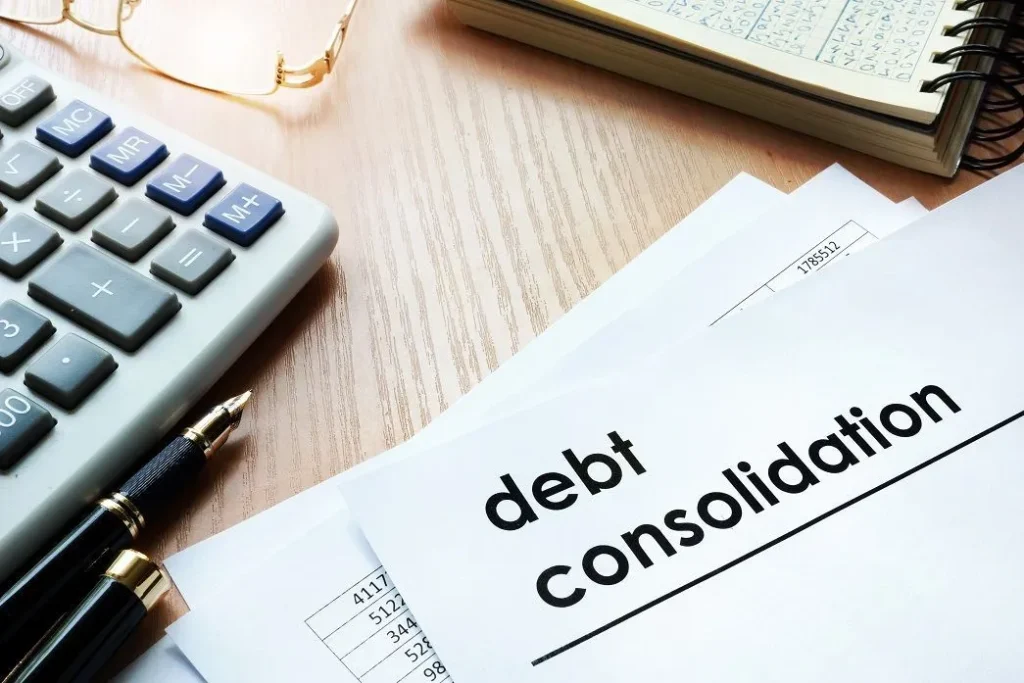
Debt can quietly build up until it feels impossible to manage, especially when multiple accounts, interest rates, and due dates start overlapping. For many people, the real challenge isn’t the total amount owed but the complexity of juggling several repayments at once. This is where a clearer, more structured approach to managing debt becomes essential.
Why Multiple Debts Become Difficult to Manage
When someone has several loans or credit accounts running simultaneously, keeping track of payment dates, interest rates, and outstanding balances can quickly become overwhelming. Missing a single payment can trigger penalty fees or a drop in credit score, which then makes future borrowing more expensive. Over time, this cycle can feel like running on a treadmill that never slows down.
The psychological weight of debt shouldn’t be underestimated either. Financial stress often spills over into other areas of life, affecting sleep, relationships, and work performance. Many people find that the anxiety of not knowing exactly how much they owe or when everything will be paid off is just as draining as the debt itself.
How Consolidation Simplifies the Process
Debt consolidation works by combining multiple debts into a single, more manageable repayment. Instead of tracking five different due dates and interest rates, a borrower deals with one monthly payment and one clear timeline. This doesn’t erase the debt, but it does make the path to becoming debt-free far easier to see and follow.
There are a few practical benefits worth highlighting:
- A single monthly payment reduces the risk of missed deadlines and late fees.
- Interest rates on a consolidated loan can sometimes be lower than the combined rates of several smaller debts.
- Budgeting becomes simpler when there’s only one fixed amount to plan around each month.
- Reduced financial stress often leads to better decision-making overall.
That said, consolidation isn’t a one-size-fits-all solution. It works best for people who have a steady income and a genuine commitment to not accumulating new debt while paying off the consolidated loan. Without that discipline, there’s a risk of ending up in a worse position than before.
Finding the Right Support for Your Situation
Every financial situation is different, which is why it helps to look at options tailored to individual circumstances rather than generic advice. Services like loan4debt.co.za focus specifically on helping people assess their debt load and find realistic consolidation solutions suited to their income and repayment capacity. Rather than offering a blanket fix, this kind of guidance takes into account the specifics of each borrower’s finances.
Before committing to any consolidation plan, it’s worth reviewing the full terms carefully. Some loans come with hidden fees, early repayment penalties, or variable interest rates that can change over time. Understanding these details upfront prevents unpleasant surprises later and ensures the chosen plan actually improves the borrower’s financial position rather than complicating it further.
It also helps to have a realistic budget in place before consolidating. Knowing exactly how much disposable income is available each month makes it easier to choose a repayment term that’s sustainable, rather than one that looks appealing on paper but proves difficult to maintain in practice.
Taking the Next Step Toward Financial Stability
Managing debt effectively isn’t about ignoring the problem or hoping it resolves itself. It requires a clear-eyed look at what’s owed, a realistic plan for repayment, and often, professional guidance to structure that plan properly. Consolidation offers one practical route toward that stability, turning a scattered set of obligations into a single, manageable commitment that’s easier to track and, ultimately, easier to pay off.