

Healthy lawns do not occur in a single season. Temperature, rainfall, and sunlight have various effects on grass, soil, and roots throughout the year. When care is applied only occasionally, these natural shifts form thin patches, weeds, and color imbalance, which never completely resolve.
Year-round lawn services overcome these changes by operating in harmony with the seasonal cycle of the lawn. Timing is programmed to fit the natural growth of turf, that is, fertilization, soil care, weeds, and root support. This gradual method enables grass to take a deeper root, be more dense and thicker, and have adequate resistance to heat, cold, and foot traffic.
Instead of responding to issues when they arise, continuous care focuses on maintaining the lawn constantly, balanced, and healthy at all times during the year. The following sections explain how the year-round lawn services work and how a systematic plan maintains balance in your lawn.
1. Seasonal Soil Health
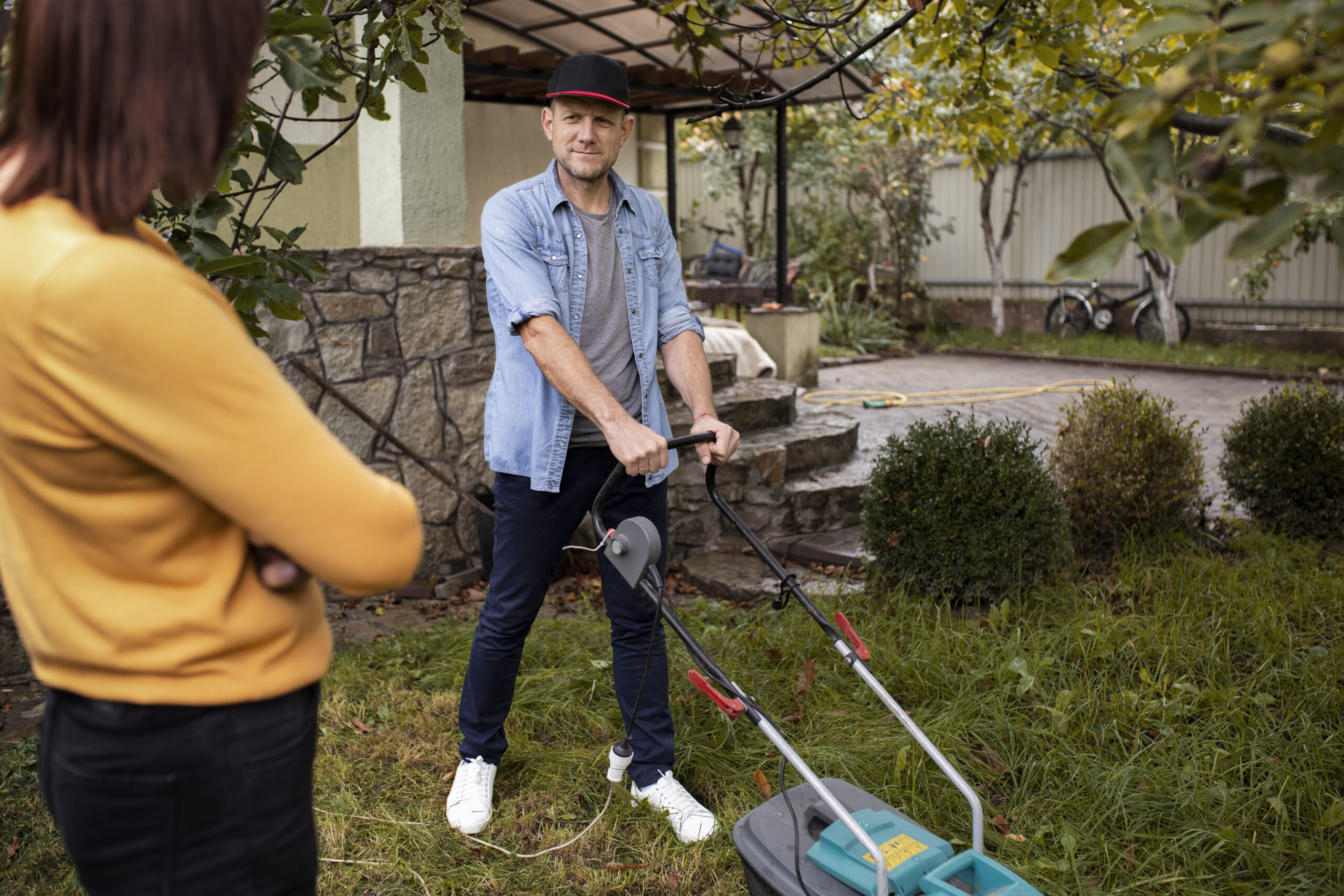
Your lawn relies on soil health, and soil conditions vary as seasons change. The compaction, level of moisture, and nutrient balance change over the year and restrict the capacity of the roots to receive oxygen, water, and nutrients.
When such changes are not controlled, even regular watering and mowing the grass becomes futile. This is the reason why year-round lawn services start with the ground first. Continuous soil tests, periodic aeration, and seasonal nutrient adjustments help the foundation to remain responsive to changes as opposed to having one-time fixes.
Aeration in spring and fall eliminates seasonal compaction, and organic processes remain supplemented with periodic soil treatment to avoid futile use of fertilizer and maintain pH balance in the soil.
Since the soil is tested and rectified during all seasons, the roots are robust, the growth is balanced, and the turf is always in a uniform density throughout the year.
2. Fertilization Approach
Grass does not need the same nutrients throughout the year. Growth varies with temperature and daylight, hence fertilization has to take into consideration those natural cycles. Application of nutrients during the inappropriate period results in uneven growth of turf and leads to an increased susceptibility to stress and disease.
An annual fertilization strategy matches the natural growth of grass. New growth is supported by early spring nitrogen. Roots are guarded by summer nutrients against heat stress. Fall potassium improves turf’s ability to withstand cold weather and disease resistance.
This gradual progression eliminates the surge-and-fade pattern that makes lawns weak. Regular feeding also makes the turf thick, minimizing the bare soil where the weeds normally begin.
The lawn becomes stronger with time because nutrients are provided when the roots can absorb them. This results in deeper roots, green color, and increased resistance to seasonal stress. When fertilization is carried out at the right time, it promotes long-term health.
3. Weed Management Strategy
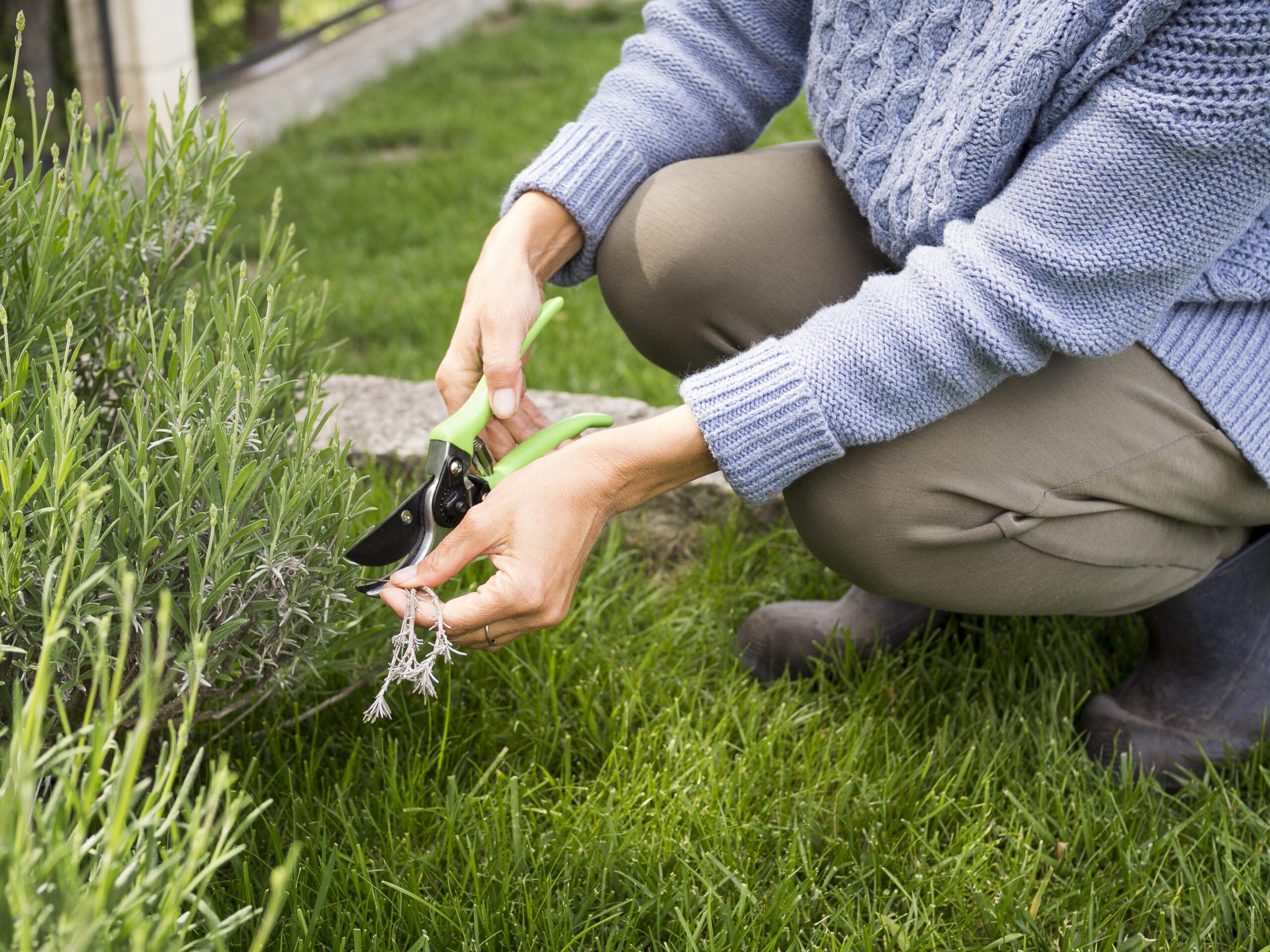
When grass is thin or stressed out, weeds thrive. Spraying on whatever you can see is not enough since the weed seeds already lie in the soil in a dormant state.
An all-year-round weed management plan is one that prevents the growth before it begins. Pre-emergent treatments form a coating that prevents the growth of the seeds, such as crabgrass and broadleaf weeds, but post-emerging treatment solutions destroy any that are left.
Meanwhile, thick, healthy grass covers the soil, preventing the sunshine that the weed seeds require to germinate. New infestations are reduced due to this natural coverage.
Treatments are based on the weed life cycles, hence control remains proactive rather than reactive. Every season aims at the future growth, not only the obvious weeds. Such an approach reduces the use of chemicals that are not necessary and maintains a healthy balance, cleanliness, and regular health of the lawn.
4. Insect and Disease Monitoring
Insects and diseases often cause damage before it becomes visible. Grubs feed below the surface, while fungi spread through moisture and heat, weakening roots long before patches appear.
Year-round monitoring detects these threats early. Technicians track turf density, moisture levels, and subtle color changes that signal developing problems.
Preventative treatments control pests such as grubs, fire ants, fleas, and ticks before populations grow. At the same time, disease control targets fungal activity when seasonal conditions increase risk.
Because applications follow predictable pest and disease cycles, protection stays efficient without overuse. This proactive approach avoids the widespread damage that leads to costly repairs.
Early detection keeps your lawn strong, stable, and resistant to long-term decline.
5. Lawn Enhancement Techniques

Even healthy lawns face stress from foot traffic, weather, and soil fatigue. Over time, this wear creates thin areas where weeds and erosion can take hold.
Enhancement treatments restore density without disrupting growth. Aeration supports root expansion, while overseeding fills bare spots with grass suited to local conditions.
Liquid applications add micronutrients that standard fertilizers may miss. These nutrients improve chlorophyll production, giving turf a richer green color and stronger growth.
Together, these methods improve texture, resilience, and visual consistency. A fuller lawn recovers faster from heat, drought, and daily use. Rather than replacing turf, these enhancements strengthen the grass that is already in place.
Bottomline
When care remains consistent, every part of the lawn works in balance. Soil stays healthy, roots grow deeper, and turf thickens naturally. Weeds have less space to spread, pests lose favorable conditions, and nutrients stay where the grass can use them.
Because each season builds on the last, problems do not compound. Instead, the lawn gains the strength to handle weather changes, foot traffic, and stress. Year-round lawn services create lasting stability, keeping your yard green, dense, and dependable throughout the year.