
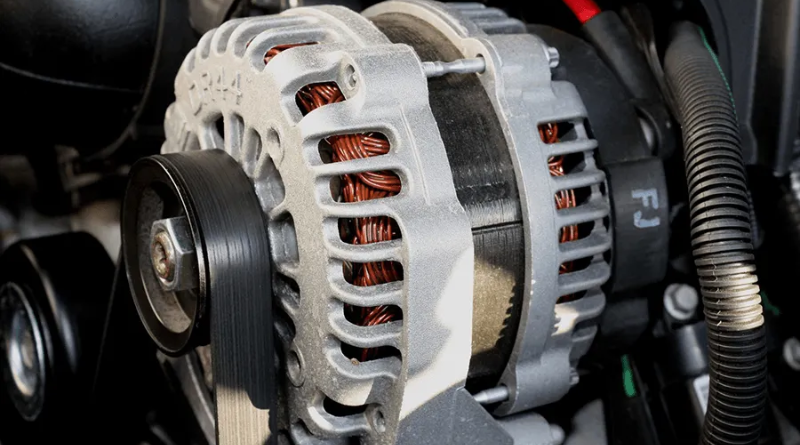
The alternator in your car keeps the battery charged and powers the electrical system while the engine runs. If it starts to fail, you might face big problems like a dead battery or a car that won’t start. Knowing the signs early can save you time and money on repairs. In this article, we look at seven clear signs that your alternator might be dying. We keep things simple and straight to the point so you can check your car easily.
First, let’s talk about what an alternator does. It turns engine power into electricity to run things like lights, radio, and air conditioning. It also charges the battery. If it stops working right, the battery drains fast, and your car can stop running. Companies like Unitech Motor make reliable alternators that last a long time. If you’re looking for options, check out lists of top alternator manufacturers to find good replacements.
Now, let’s go over the signs one by one.
Sign 1: Dashboard Warning Light Comes On
One of the first things you might notice is the battery or alternator warning light on your dashboard. This light looks like a battery and turns on when there’s a problem with the charging system.
Why does this happen? The alternator sends a signal to the car’s computer. If the voltage drops too low, the light comes on to warn you. It could mean the alternator is not charging the battery anymore.
How can you check? Start your car and look at the dashboard. If the light stays on after the engine starts, test the alternator. You can use a multimeter to check the voltage at the battery. It should read around 13.5 to 14.5 volts when the engine is running. If it’s lower, the alternator might be bad.
Ignore this light, and your battery will die soon. Get it checked at a shop if you’re not sure.
Sign 2: Dim or Flickering Lights
Your headlights or interior lights might get dim or start to flicker. This is a common sign because the alternator powers the lights when the engine is on.
What causes this? A failing alternator can’t provide steady power. The lights dim when voltage drops. Sometimes they get too bright if the alternator overcharges for a short time.
To spot this, drive at night and watch your headlights. Do they dim when you turn on the air conditioner or radio? Or do they flicker at idle? That’s a clue.
You can test by revving the engine. If lights brighten as RPMs go up, the alternator might be weak at low speeds. Don’t wait too long, as this can lead to other electrical issues.
Sign 3: Dead Battery
If your battery dies often, even after a jump start or charge, the alternator could be the problem. A good alternator keeps the battery charged while you drive.
Here’s why: The alternator recharges the battery after starting the car. If it’s dying, the battery doesn’t get enough power and drains quickly.
How to tell if it’s the alternator or battery? Get the battery tested first. If it’s good but still dies after driving, check the alternator. Shops have tools to test both.
This sign shows up after short drives. You might need jumps often. Fix it soon to avoid being stuck.
Sign 4: Slow or Broken Accessories
Things like power windows, seats, or the radio might work slowly or stop. These run on electricity from the alternator.
The reason is low power output. The alternator can’t supply enough for everything, so accessories suffer first.
Check by trying them with the engine on. If windows roll up slowly or the radio cuts out, it’s a sign. Also, the air conditioner might blow warm air.
This gets worse over time. Start with basic checks like fuses, but if those are fine, look at the alternator.
Sign 5: Trouble Starting or Stalling
Your car might be hard to start or stall while driving. This happens because the battery isn’t charged enough to run the ignition system.
Why? The alternator powers the spark plugs and fuel system through the battery. If it’s failing, the car loses power and stalls.
You notice this at stops or when idling. The engine might die, and restarting is tough.
To confirm, see if it happens after the battery light comes on. Don’t drive far if this starts, as you could break down.
Sign 6: Strange Noises Under the Hood
You might hear squealing, grinding, or whining from the engine area. These come from the alternator.
What makes the noise? Worn bearings inside the alternator grind. Or a loose belt squeals as it slips.
Listen when the engine runs. If noise changes with engine speed, it’s likely the alternator. A squeal might mean the belt needs tightening.
Pop the hood and listen closely. If it’s from the alternator side, get it checked. Noises mean parts are wearing out fast.
Sign 7: Burning Smell
A burning rubber or electrical smell can point to a failing alternator. This is serious and needs quick attention.
The cause? Overheating wires or a slipping belt that rubs and burns. The alternator works too hard and gets hot.
Sniff around the engine after driving. If you smell burning, stop and check. Don’t ignore it, as it could lead to fire.
Turn off the car and look for smoke. Call for help if needed.
In summary, these seven signs—dashboard light, dim lights, dead battery, slow accessories, starting trouble, noises, and smells—show your alternator is dying. Catch them early to avoid costly fixes. If you see more than one, take your car to a mechanic. They can test and replace it if needed. Regular checks keep your car running smooth. This can save you from breakdowns and keep you safe on the road.