
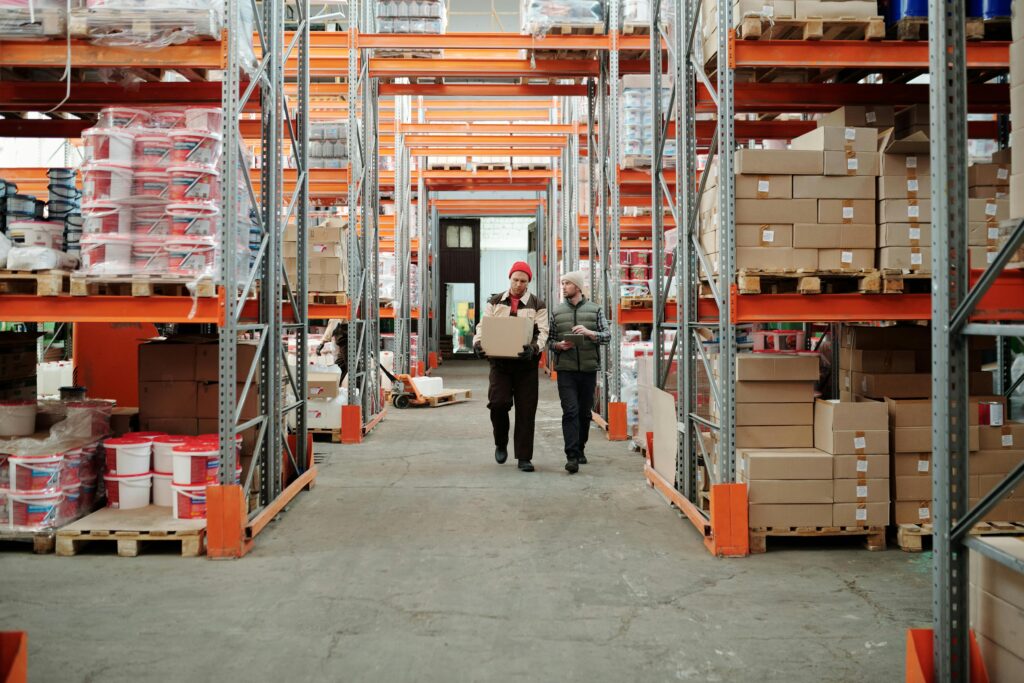
Modern warehouses operate in fast paced environments where efficiency, safety, and employee well being all influence long term success. As operations expand, leadership teams face increasing pressure to create healthier workplaces that can scale with growing demands. A health centered strategy not only improves daily operations but also strengthens retention, reduces injuries, and supports higher productivity. Implementing scalable health initiatives allows warehouses to adapt to fluctuating workloads while protecting the workforce that keeps operations moving.
Improving Air Quality Through Targeted Environmental Controls
Air quality is one of the most important yet frequently overlooked components of a healthy warehouse environment. Large facilities often accumulate dust, fumes, and particulate matter generated by equipment, forklifts, packaging, and industrial processes. Over time, poor air quality can contribute to respiratory irritation, fatigue, and long term health concerns.
Scalable improvements begin with routine air monitoring, followed by the addition of filtration solutions that match the size and activity level of the warehouse. Localized filtration can be especially effective in areas where fumes or airborne contaminants are produced. Systems such as Diversitech industrial air filtration are designed to reduce airborne particulates and support cleaner work zones in demanding industrial settings. The goal is to create consistent air quality improvements that keep pace as facilities expand or production volume increases.
Prioritizing Ergonomic Workflows
Warehouse employees spend long hours lifting, bending, carrying, and performing repetitive movements that can strain muscles and joints. Ergonomic planning can significantly reduce the risk of injury and improve daily comfort. Scalable ergonomic initiatives focus on redesigning tasks and tools rather than implementing one time fixes.
Start with ergonomic assessments that identify high risk tasks across different departments. From there, introduce equipment such as adjustable packing stations, lift assist devices, anti fatigue flooring, and optimized shelving heights. These improvements help reduce physical strain and allow workers to move more efficiently. Training programs that teach proper body mechanics reinforce these efforts and help teams adapt to new processes.
As warehouses grow, ergonomic considerations should expand with them. Every new workstation, piece of equipment, or layout change offers an opportunity to refine workflows and improve worker safety.
Implementing Flexible Health and Safety Training
Training is most effective when it adapts to the needs of a diverse and evolving workforce. Warehouses often employ workers with varying experience levels, which makes scalable training essential. Modern training programs combine digital modules, hands on workshops, and ongoing refreshers that can be quickly updated as operations change.
Interactive training platforms allow workers to learn at their own pace, while in person demonstrations reinforce safe equipment handling, emergency procedures, and proper use of protective gear. New hires benefit from structured onboarding, and long term employees receive continuous education that keeps safety practices fresh.
Making training accessible in multiple formats ensures that every worker receives the information needed to maintain a safe environment. Scalable training also makes it easier to integrate new positions or processes without sacrificing clarity or quality.
Promoting Movement and Reducing Fatigue
Physical fatigue has a direct impact on health, morale, and productivity within a warehouse. Long shifts, repetitive motions, and constant movement can drain energy and increase the risk of injury. Scalable initiatives that address fatigue focus on improving both the physical environment and daily routines.
Simple adjustments, such as adding hydration stations, encouraging brief stretch breaks, and rotating tasks to vary physical demands, can make a measurable difference. Break rooms should provide a clean and comfortable place where employees can rest without distractions. Lighting also matters, since well lit environments support alertness and reduce visual strain.
More advanced solutions include wearable technology that helps track movement or posture, offering insights into fatigue patterns and opportunities for improvement. While not every warehouse requires high level analytics, even basic investments in employee comfort can be scaled gradually as operations expand.
Strengthening Mental Health Support and Workplace Culture
A healthy warehouse is not defined solely by physical safety measures. Mental well being and workplace culture play a major role in long term performance and retention. Employees who feel respected, heard, and supported are more likely to stay engaged and contribute positively to the work environment.
Scalable initiatives may include confidential mental health resources, wellness programs, and supervisor training focused on communication and conflict resolution. Encouraging open dialogue about workplace challenges helps employees feel included in operational improvements. Regular check ins and team meetings can also foster stronger relationships and promote a supportive culture.
Recognition programs that celebrate achievements, safety milestones, or exceptional teamwork help reinforce positive behaviors. These initiatives are easy to expand as teams grow and can significantly strengthen morale.
Conclusion
Warehouses that invest in scalable health initiatives build stronger, safer, and more resilient operations. Improved air quality, ergonomic workstations, flexible training, fatigue reduction strategies, and workplace culture enhancements all contribute to healthier environments where employees can thrive. As modern warehouses evolve, these initiatives provide a foundation for sustainable growth that benefits both the workforce and the organization as a whole.