
Seasonal Shopping Peaks Have Started Affecting Almost Everything
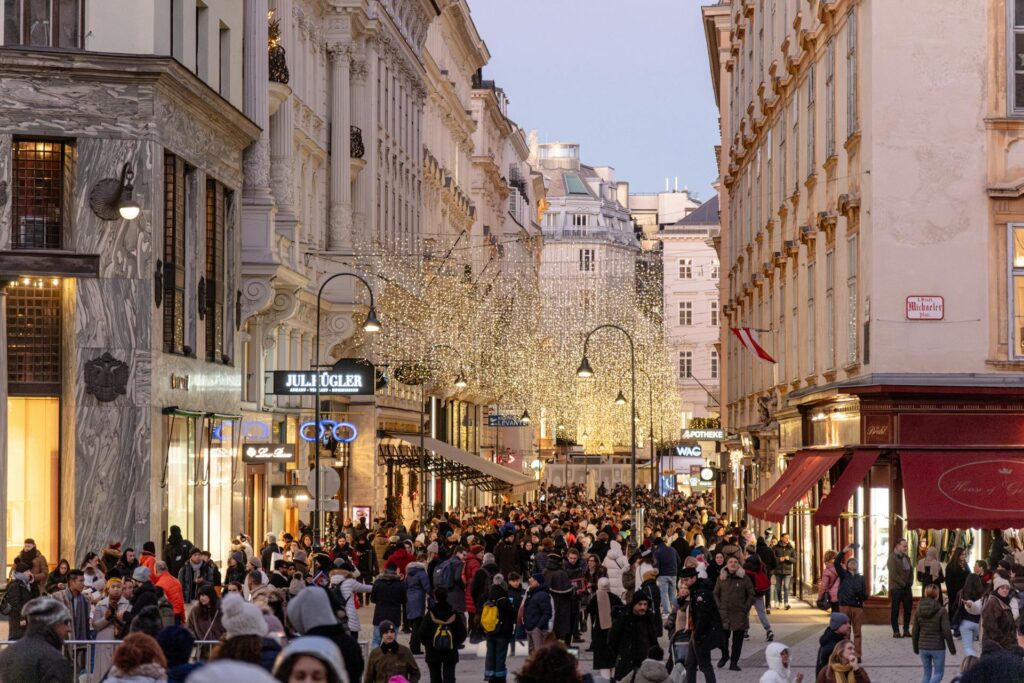
There is a point before every major festive season when things start feeling slightly chaotic without anyone needing to announce it. Flights become expensive almost overnight. Delivery apps suddenly show longer wait times. It might be difficult to obtain parking close to big business districts for days, and shopping centres remain crowded until they close. The most interesting aspect is how wide the influence has grown.
In the past, business owners and retailers were primarily concerned with seasonal shopping peaks. Now, practically all businesses that deal with customers are under pressure at the exact same time.
The Christmas and New Year periods still create some of the busiest weeks for travel and retail activity across Europe and North America. Families travel home, people book short vacations, and retailers begin pushing promotions well before the holidays actually arrive.
Other regions experience the same pattern differently. In India, Diwali shopping frequently results in a noticeable increase in sales of jewellery, clothing, electronics, and home décor.
Ramadan and Eid periods create another noticeable shift in consumer activity. Restaurants adjust operating hours, malls stay active much later into the evening, and regional flights become difficult to book close to celebrations because families travel to spend time together. Online searches related to traditions such as qurbani also tend to increase during this period, showing how seasonal traditions now influence online behaviour alongside physical shopping habits.
People Shop Earlier Now, and Businesses Know It
One major change over the last few years is timing. Seasonal spending used to feel much more last minute. That is not really the case anymore. Many consumers start monitoring flight prices weeks ahead, compare hotel rates repeatedly through apps, and spread purchases across multiple weeks instead of shopping all at once near the event itself.
Because internet searches typically indicate customer interest before sales actually increase, businesses pay close attention to this. Seasonal shopping times continue to be crucial to the expansion of global e-commerce, particularly during significant holiday campaigns, according to Statista.
These times appear interesting from the outside. Shopping areas remain bustling for hours, stores offer discounts everywhere, and ads become unavoidable. However, when demand increases more quickly than anticipated, companies sometimes have to deal with overworked warehouses, delayed shipments, more stringent personnel schedules, and inventory shortages.
Travel Has Become More Tied to Seasonal Experiences
Travel habits have changed alongside shopping behaviour. A lot of travellers now care less about simply visiting famous places and more about experiencing destinations at the “right” time. A city during a major festival feels completely different compared to the same city during an ordinary week. Streets stay busy later, restaurants remain full, and local markets feel more active than usual.
That is one reason seasonal food festivals, holiday markets, and cultural events continue attracting strong visitor numbers. They offer experiences tied to a specific moment instead of something available all year.
The travel industry adapted to this fairly quickly. While hotels and travel agencies continue to create packages around long weekends, festivals, and school holidays since demand is simpler to forecast during those times, airlines frequently extend their schedules during these times.
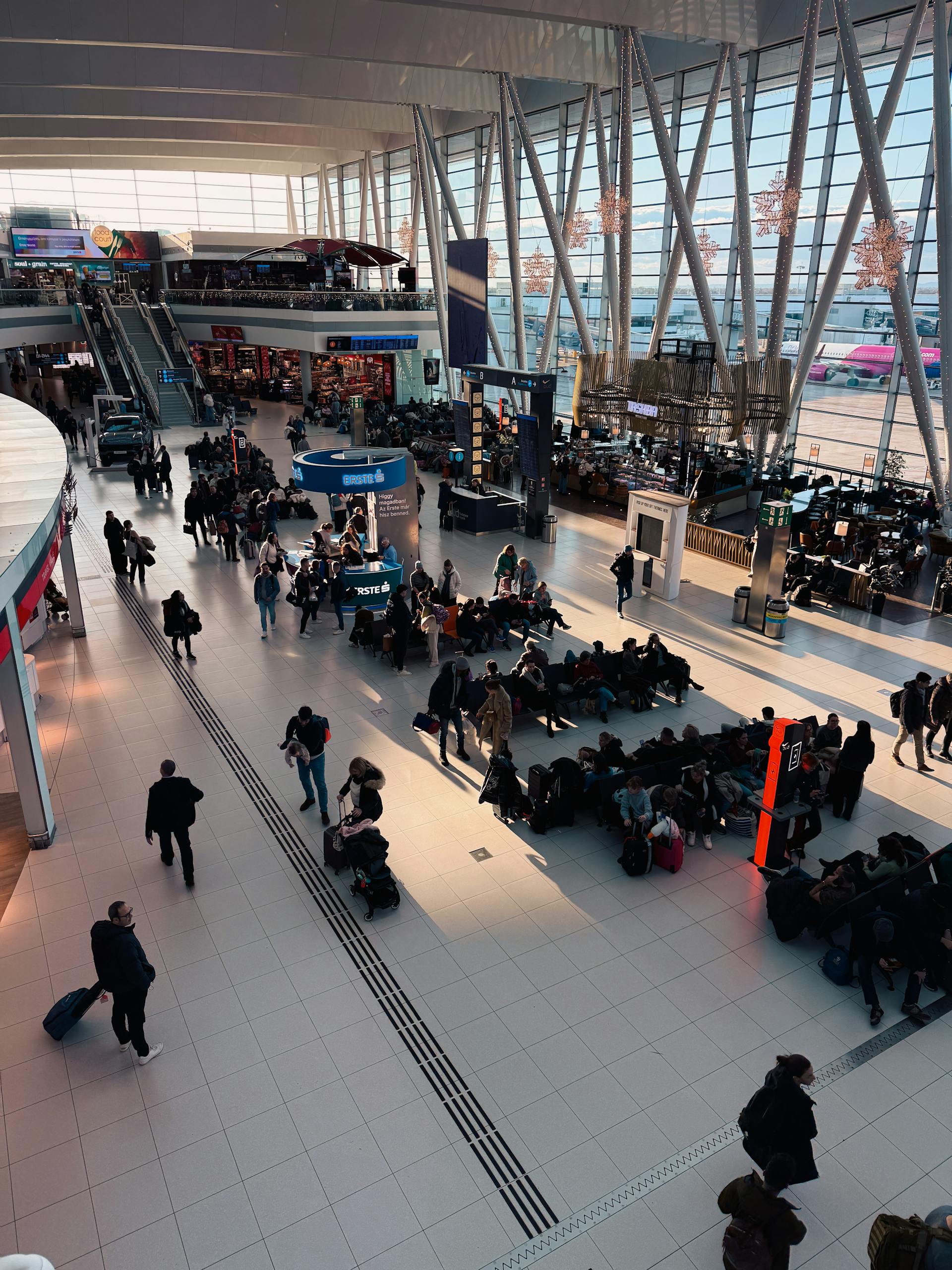
Naturally, the drawback also shows up very quickly. During periods of high travel demand, airports are packed, lodging costs increase dramatically, and transportation delays become much more frequent. In the midst of their busiest periods, companies that misjudge demand frequently have to deal with staffing problems, delayed customer service, or supply chain delays.
Conclusion
Seasonal shopping peaks now influence far more than retail sales. They affect travel demand, hospitality activity, online behaviour, logistics, and everyday business operations across several industries at once. For many companies, these periods are no longer treated as short-term spikes. They have become a predictable part of how businesses plan for the year.