
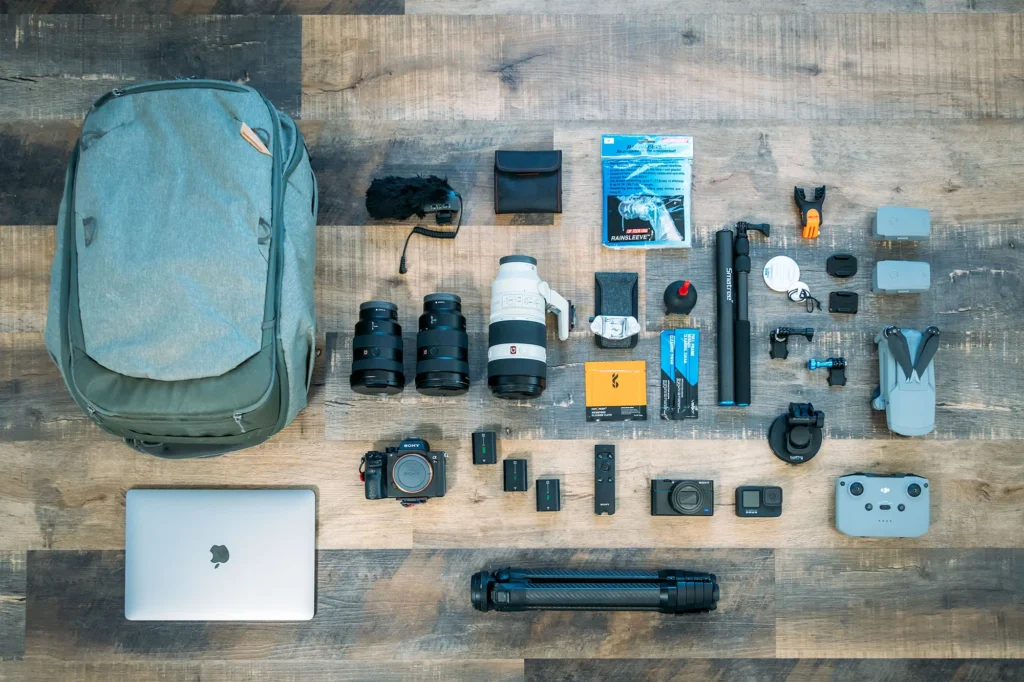
If you shoot seriously in Australia, your gear works hard. One weekend you might be battling sea spray along the coast, the next you are dealing with red dust in the outback, sudden downpours in the ranges or city grit in a CBD laneway. In all of those environments, your camera bag is not just a container – it is your first line of defence against moisture, impact, theft and general wear and tear.
Building the right setup is less about throwing everything you own into a backpack and more about putting together a thoughtful kit you can trust on any job or adventure. Think of your bag as a mobile base camp for your camera system.
Start with the Right Bag for the Job
The foundation of any kit is the bag itself. Australian conditions are unforgiving, so look for robust outer fabrics, decent padding and weather-resistant zips or rain covers. A good camera bag will offer flexible internal dividers so you can customise the layout around your gear rather than forcing your lenses into awkward spaces.
Comfort matters just as much as protection. If you hike, commute or travel frequently, wide straps, a supportive back panel and a proper waist or chest strap will keep the weight distributed and your spine happier on long days. In urban environments, understated designs that do not scream “expensive gear inside” can add a layer of security when you are moving through crowds or public transport.
Consider your shooting style too. Sling bags suit fast-paced street and event work where you are constantly swapping lenses. Backpacks are better for longer days and heavier loads. Shoulder bags work well for lighter kits and quick access in more controlled environments.
Build the Core: Body, Lenses and Power
Once you have the bag, the next step is to design the core layout. Start with your primary camera body and the lenses you genuinely rely on rather than everything you own. A balanced kit might include a versatile zoom for general use, a fast prime for low light and portraits and perhaps a telephoto if you regularly shoot sport, wildlife or events.
Modern systems like the Canon mirrorless camera range have changed what is possible here. These bodies are smaller and lighter than many DSLRs while still delivering professional image quality, which means you can carry more options without overloading your shoulders. Pairing them with compact RF lenses allows you to fit a serious kit into a relatively small footprint, leaving room for accessories without sacrificing mobility.
Do not forget power. At minimum, carry at least one fully charged spare battery and a compact charger if you will be away from home base for a full day or more. In hot Australian summers, batteries can drain faster than expected, especially if you are using image stabilisation, continuous autofocus or video.
Protect Your Data: Cards, Cases and Backup Habits
Memory cards may be physically tiny, but they hold the real value: your images. Keep multiple cards in a dedicated hard case rather than loose in pockets or random pouches, and develop a habit of separating used and unused cards so you never accidentally reformat something important.
For longer trips, especially road trips or multi-day shoots, think about how you will back up your files. A small external SSD and a lightweight laptop or tablet can be enough to create a nightly copy of your day’s work. Some photographers also keep one backup drive in a different part of their luggage so a single loss or theft does not wipe out everything.
Label your cards and drives clearly, and decide on a simple file naming or folder structure you can maintain consistently. This might sound administrative, but good data discipline is part of protecting your work just as much as padding is part of protecting your gear.
Weather and Environment Protection
Australia’s environment is beautiful but harsh. Salt air corrodes metal, fine dust gets into everything and sudden storms can hit even on supposedly clear days. A well thought-out bag will include some simple environmental defences.
Pack a dedicated rain cover if your bag does not include one, plus a couple of microfiber cloths and a small rocket blower to clear dust and droplets from lenses and sensors. Silica gel or reusable desiccant packs placed in different compartments help fight humidity, especially after shooting in the rain or near waterfalls and beaches.
If you work around sand or red dirt, consider keeping a lightweight ground sheet or even a simple microfibre towel in the bag so you can put gear down without grinding it into abrasive surfaces. In winter and alpine regions, remember that condensation can form when moving between cold outdoors and warm interiors; giving gear time to acclimatise inside the bag before opening it completely can prevent fogging and moisture issues.
Cables, Filters and Small Essentials
The little things are easy to forget until you desperately need them. A well-stocked camera bag usually includes a few carefully chosen extras that take up minimal space but solve big problems when you are on location.
Lens filters such as circular polarisers and ND filters allow you to deal with harsh midday light, reflective surfaces and long-exposure creative work. Keep them in a slim, dedicated case to avoid scratches. Pack at least one spare lens cap and body cap; they have a habit of disappearing at the worst times.
Cables are another must. A short USB cable for transferring files or powering accessories, a phone charging cable and, where relevant, an adapter for your laptop or tablet can keep your workflow moving. Gaffer tape, a small multi-tool and a compact notebook with a pen can also save the day more often than you might expect.
Comfort, Health and Practical Extras
Long days on your feet demand more than just technical gear. Include items that keep you functioning well so you can actually use your equipment effectively.
Sunscreen, a small reusable water bottle, a hat and compact snacks are almost essential in Australian conditions, particularly when you are shooting outdoors for extended periods. A lightweight first-aid pouch with band-aids, pain relief and basic supplies can be surprisingly useful on remote shoots or busy event days.
Earplugs and a simple eye mask can make a huge difference if your work involves travel, late finishes or early starts. If you use public transport or move between locations on foot, keep a small tile or tracker in your bag so you can locate it quickly if misplaced.
Review and Refine Your Kit Regularly
The “ultimate” camera bag is not static. As your work evolves, your gear changes and your preferences shift, you will find items that are no longer necessary and gaps you did not notice before. After each major trip or project, take a few minutes to review what you actually used, what stayed untouched and what you wish you had brought.
Strip out dead weight and add anything you repeatedly missed. Over time, your bag will become a tight, personalised setup that supports the way you shoot rather than a random assortment of gear.
With the right protection, organisation and planning, your camera bag becomes much more than a storage solution. It turns into a dependable companion that keeps your equipment safe, your workflow smooth and your focus where it belongs: on capturing the images that matter. For Australian photographers navigating everything from city laneways to coastal cliffs and outback tracks, that kind of reliability is worth every bit of thought you put into it – especially when you build it around trusted gear from retailers like Diamonds Camera.