
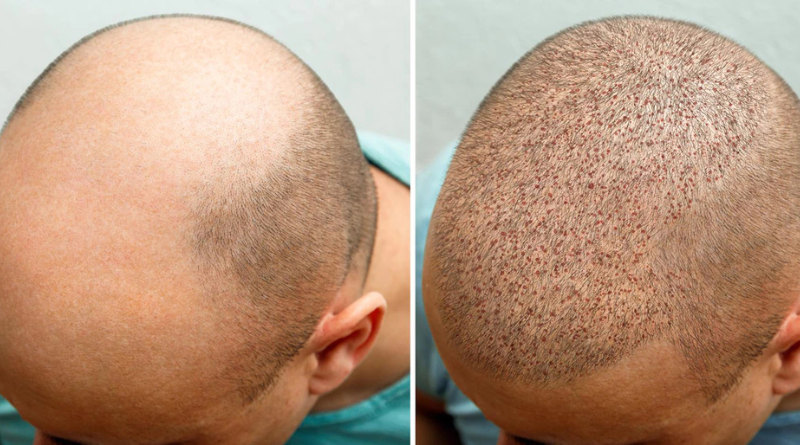
Choosing between FUT and FUE can feel confusing, especially when both are widely offered and often discussed online. Luckily, leading UK clinics, especially those in Brighton, focus on helping you understand how each method works so you know which one might suit your goals.
They also guide you through scarring, healing, and long-term planning so your expectations stay realistic at every step. Read further to see how the best UK-based surgeons compare these techniques and what that could mean for your treatment journey.
How FUT and FUE Differ
FUT is known as Follicular Unit Transplantation and it involves removing a small strip of skin from the donor area. The surgical team then prepares tiny grafts from this strip and places them in the thinning regions. This method can allow a surgeon to create a high number of grafts in a single sitting, although the donor area heals with a line scar.
FUE stands for Follicular Unit Extraction and it involves removing individual follicles with a small punch. Surgeons often highlight that this approach creates tiny dot scars rather than one line, although technique and accuracy still influence the final look. Clinics usually explain both methods during a consultation so you can see how each might fit your hair type and pattern of loss.
The Treatment Rooms offer FUE & FUT in Brighton as part of their wider service options to help patients consider both techniques under one roof. This allows you to understand how each approach is used in real cases without feeling pushed in one direction.
Now let’s look at both of them a bit more in depth.
FUT
FUT may be offered when you need a higher number of grafts from a strong donor zone. The strip often contains dense hair, and this can help surgeons extract a large number of grafts in one session. This approach might suit you if your hair loss is more advanced and you’re hoping for noticeable coverage in a single treatment.
A key factor of this procedure is that it leaves a linear scar. Surgeons in Brighton, and the UK, usually place this incision low enough so surrounding hair can cover it once it grows. If you wear your hair very short, your surgeon will explain how visible the scar might be so you can plan your hairstyle with confidence.
Recovery from FUT sometimes involves a tight feeling at the back of your head because the area is stitched. You may need a short break from exercise while the skin settles. Clinics typically give simple aftercare steps that focus on gentle cleaning and reduced strain while the donor area heals.
FUE
Many patients choose FUE because the pattern of scarring feels easier to manage with shorter hairstyles. Since each graft is removed one by one, there’s no long incision. This can help you feel more comfortable if you prefer close crops or want to avoid a line scar.
Brighton clinics often highlight that FUE allows grafts to be taken from a wider donor region. This helps keep the remaining hair looking even because the extractions are spread across a broader area. The surgery can take longer to complete, although the donor region usually feels less tight afterwards than with FUT.
Healing times vary, but most patients can return to light activities after a few days. The transplanted area needs gentle care during this early period, and clinics usually give clear steps on how to wash and protect it. Growth tends to begin slowly. That’s why surgeons explain timelines carefully, so you know what to expect in the first year.
How Clinics in Brighton Decide Which Technique to Recommend
British surgeons rarely rely on the method alone. They start with your donor density, hair strength, pattern of thinning, and how advanced your hair loss is. FUT may be offered if you need dense graft numbers from a stable area, while FUE may feel suitable if you want flexibility with hair length.
Clinics also look at scarring from previous surgery or injury. They review how each method might affect the donor region so you understand the likely appearance. Surgeons often use photos to show how FUT and FUE scars typically heal so you have a realistic idea of the long-term results.
Lifestyle and Personal Factors That Influence Your Choice
Your daily routine can influence the technique your surgeon recommends. Physically demanding jobs might make FUT recovery more challenging because the donor area needs time to settle. But if you work from home, either method will feel manageable with a short recovery period.
Psychological comfort also matters. Early redness and swelling can feel worrying if you’ve never had surgery. Clinics in Brighton usually prepare you for the short-term appearance so any temporary changes feel less surprising. This reassurance often helps you stay calm during the first few weeks.
Follow-up care is an important part of modern treatment. Clinics encourage regular check-ins to monitor growth and confirm the transplanted area is healing well. These reviews also support you through any concerns about styling or density as your hair develops.
What to Ask Before Making Your Decision
It helps to ask your surgeon how often they perform each method and what your likely outcome might be. Seeing photos of patients with similar hairlines can give you a good sense of what’s achievable. This supports a clearer picture of expected density and shape.
You might also discuss how your hairline will be planned. Surgeons explain how they angle grafts, how they create a natural outline, and how they protect the donor supply. A thoughtful long-term plan helps ensure your hair remains balanced as you age.
Final Notes
FUT and FUE both play important roles in UK hair restoration, and neither technique is automatically better than the other. What matters is how well the method matches your hair loss pattern, lifestyle, and future plans. A detailed consultation with an experienced surgeon in Brighton will help you see the strengths of each method without any assumptions.
When you understand how each technique fits your goals, it becomes easier to choose a path that supports your confidence and long-term wellbeing. A careful, measured approach helps you move forward with realistic expectations and a clear understanding of what modern clinics in Brighton, and across the UK, can offer.