
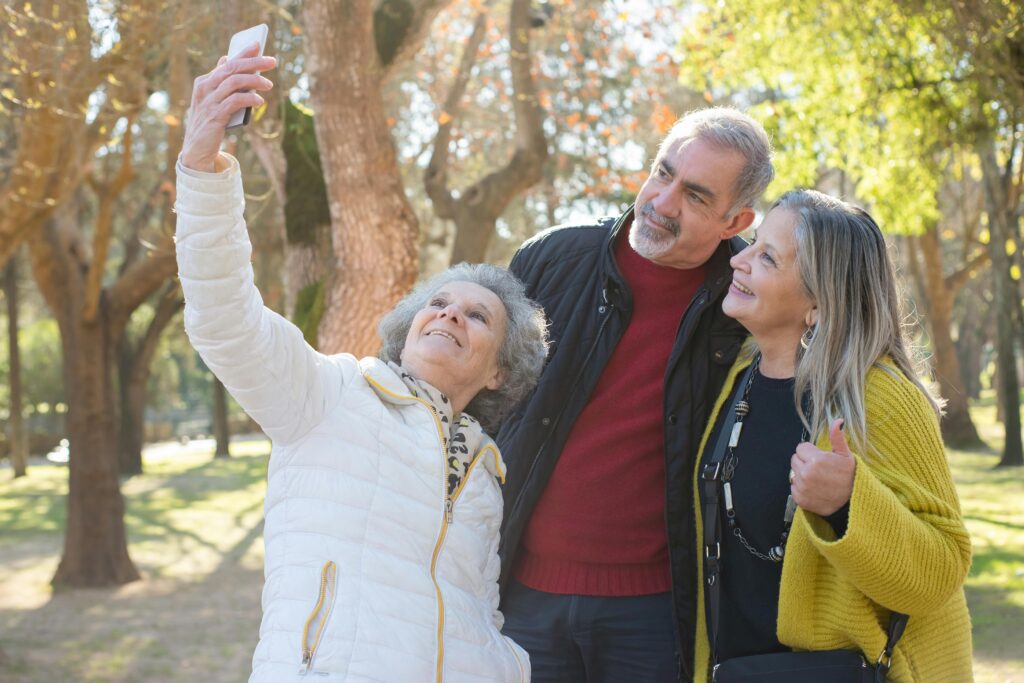
For decades, retirement was often imagined as a quiet chapter marked by privacy, independence, and a slower pace. Many professionals envisioned time spent at home, pursuing individual interests after years of demanding schedules. That vision is changing. Today, a growing number of retiring professionals are intentionally seeking out community based living experiences rather than opting for solitude. This shift reflects deeper changes in how people understand wellbeing, purpose, and connection in later life. Rather than withdrawing from social engagement, retirees are recognizing that shared experiences and daily interaction can enhance both quality of life and long term satisfaction.
A New Understanding of Social Wellbeing in Later Life
Modern retirees are entering this phase with a far different mindset than previous generations. Many spent their careers collaborating in teams, mentoring others, and building professional networks. When work ends, the need for shared purpose and conversation does not disappear. Researchers and health professionals have increasingly highlighted the role of social connection in maintaining cognitive sharpness, emotional balance, and physical health. Social isolation has been linked to higher risks of depression, heart disease, and cognitive decline.
For professionals accustomed to dynamic environments, solitude can feel jarring rather than peaceful. Community oriented living offers opportunities for daily conversation, planned activities, and informal connection, all of which help recreate a sense of belonging. These environments support a rhythm of life that feels engaged without the pressures of full time work.
Redefining Independence Through Connection
There is a common misconception that choosing community means giving up independence. Retiring professionals are challenging that idea. Many view independence not as isolation, but as the freedom to choose connection on their own terms. Community living often allows residents to control their schedules while benefiting from shared resources and social opportunities.
Dining with others, participating in learning sessions, or joining interest based groups can all be optional rather than obligatory. This balance appeals to individuals who value autonomy but also appreciate having others nearby. Independence becomes less about doing everything alone and more about retaining choice while reducing unnecessary burdens such as home maintenance or long commute routines.
Intellectual Engagement and Lifelong Learning
Professionals who spent decades solving problems and learning new skills often want to continue engaging their minds. Community environments frequently encourage lifelong learning through lectures, discussion groups, creative workshops, and peer led classes. These offerings appeal to retirees who see personal growth as a lifelong pursuit rather than a career specific activity.
Conversations among residents also serve as informal education. People from varied industries and backgrounds bring different perspectives, creating an atmosphere of curiosity and mutual respect. Within these settings, it is not unusual to find former engineers, educators, healthcare leaders, and business owners exchanging ideas and learning from one another. Communities such as State Street Assisted Living are a good example in how shared living spaces can support both social interaction and intellectual stimulation without centering life solely around care needs.
Emotional Security and Daily Support
Another reason community living has gained traction among retiring professionals is the sense of emotional security it provides. Knowing that others are nearby can reduce anxiety, especially during times of illness or stress. This reassurance is not only practical but deeply emotional. It allows individuals to focus on enjoying their time rather than worrying about what might happen in an emergency.
Daily support does not always mean medical assistance. Often, it involves small moments such as checking in on a neighbor, sharing a meal, or having someone notice when routines change. These interactions foster trust and create a safety net that feels natural rather than restrictive. For many retirees, this social safety contributes to peace of mind that would be difficult to achieve alone.
Purpose Beyond the Workplace
Work often supplies structure and purpose, especially for professionals who invested years in their careers. When retirement begins, maintaining a sense of meaning becomes essential. Community living offers avenues for contribution that feel valuable without being demanding. Residents may volunteer, mentor younger generations, organize events, or support peers.
These roles reaffirm identity and self worth. Instead of being defined by what they are no longer doing, retirees can focus on what they continue to offer. Shared environments make it easier to recognize needs and opportunities for involvement, allowing purpose to emerge organically through daily life.
Conclusion
The move toward community over solitude among retiring professionals reflects a broader cultural shift in how aging is perceived. Rather than retreating into isolation, many are choosing connection, engagement, and shared experience. These individuals are redefining retirement as a time of continued growth, learning, and contribution. Community living supports social wellbeing, emotional security, and personal purpose while respecting independence and choice. As expectations around later life continue to evolve, it is clear that for many retiring professionals, fulfillment is found not in being alone, but in being part of something shared.